#16 · Mexico
Journey #16 – Mexico
11 November 2013
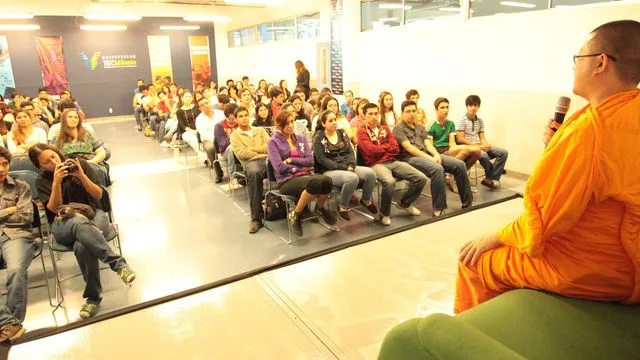
This was my second visit to Mexico. In 2012 I taught in Mexico City and Cancún, and the response from universities and meditation groups was so warm that the Peace Agents living in the north asked me to come to their cities too. They were serious about it. They began preparing three to four months before I landed, contacting universities, printing brochures and lining up venues.
So in October 2013 I flew back, this time to Saltillo and Monterrey in the north, and then to Puebla in the south. One of the things I enjoy most about Mexico is how different each region feels from the next: the language, the people, the food, even the way the streets are built. Over three weeks I led meditation and mindfulness sessions at universities, schools, a museum, yoga studios and community groups, and held a three-day retreat in the mountains above Monterrey. Altogether more than 1,500 people took part.
Date: 22 October – 10 November 2013
Participants: over 1,500
| City | People |
|---|---|
| Saltillo | 512 |
| Monterrey | 485 |
| Chipinque retreat | 24 |
| Puebla | 553 |
| Total | 1,574 |
Summary
In three weeks, across three cities, more than 1,500 people sat down, closed their eyes and tried meditation, most of them for the first time. We filled a desert museum, university halls, school auditoriums, yoga studios and a mountain-top hotel. The doors opened wider than I expected. Universities invited us in and hosted our meals and lodging, and local TV, radio and newspapers covered the visit.
What mattered most was what happened inside the room. More than 70% of participants raised a hand to say they saw a bright light or a clear sun at the center of their body. Teenagers who had been described as the hardest in their school sat in silence. A blind man told me he had seen light. A university administrator who first saw a monk as untouchable came to all four of her sessions.
Behind all of it were six young volunteers, three in the north and three in Puebla, who prepared for months, drove, translated and organised every venue.
Saltillo
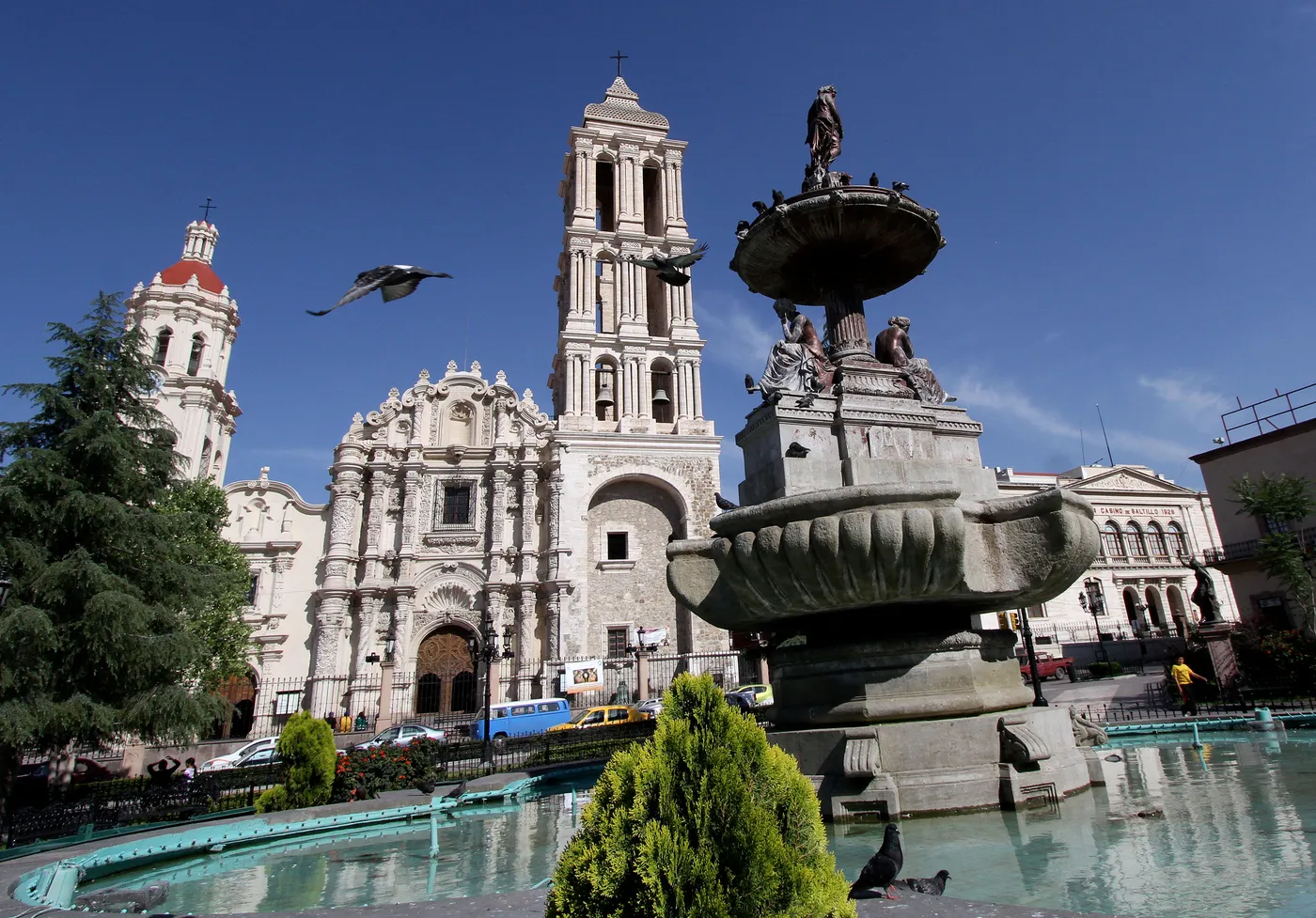
The journey began in Saltillo, the capital of the state of Coahuila. About 800,000 people live there, in the desert, only a few hours from the US border. Because of that, the city feels more American than the south of Mexico. People tend to be taller, the Spanish has a harder accent, and when they talk it can sound like they are shouting at each other, a bit like the southern accent in Thailand. The roads are wide, with many lanes, and since the city is not huge there is almost no traffic.
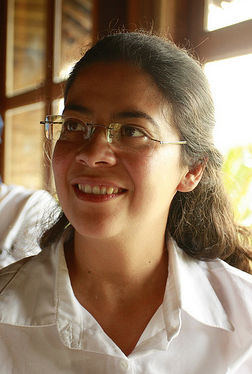
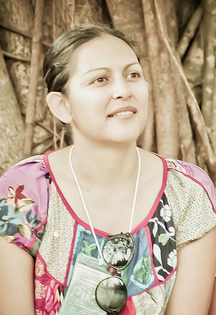
Saltillo is also home to Marcela, Carmen and Cintly, the three Peace Agents who invited us. Carmen is a doctoral student in public policy who works for an NGO on the rights of indigenous people. Marcela has a master’s degree from France in performance and cultural management and helps run her family’s financial consulting and insurance business. Cintly teaches languages at a secondary school, and she and Carmen have been friends since childhood. Because Marcela’s work is the most flexible, she gave me two full weeks of her time. She borrowed her father’s car and drove the team to every session in Saltillo and Monterrey.
This trip was a small team: myself and Lee Torres, a Peruvian volunteer who looked after me, took photos and shot video to a script, all at once. We wanted to start training local people to take on this role. In truth, Lee was there mostly because a Peruvian passport made the visas easier.
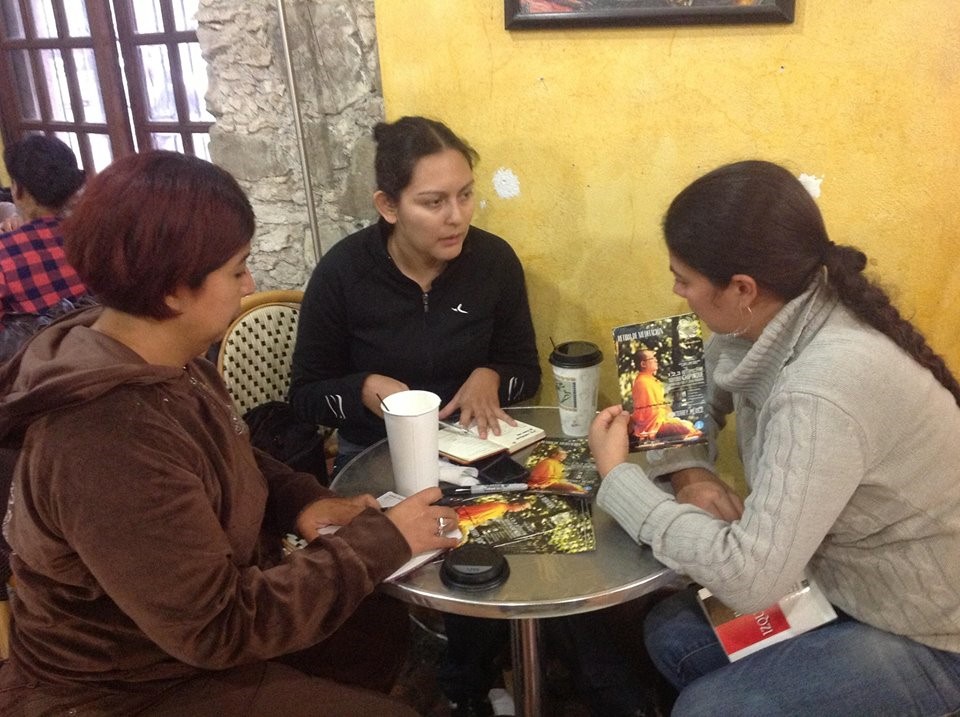
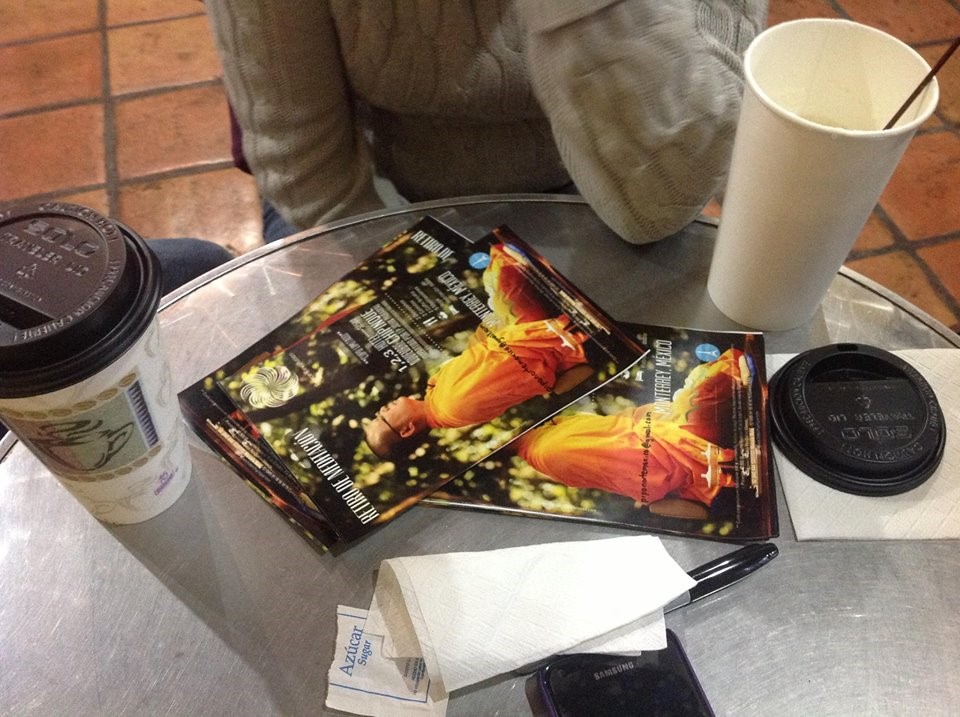
A press conference and a lesson in headlines
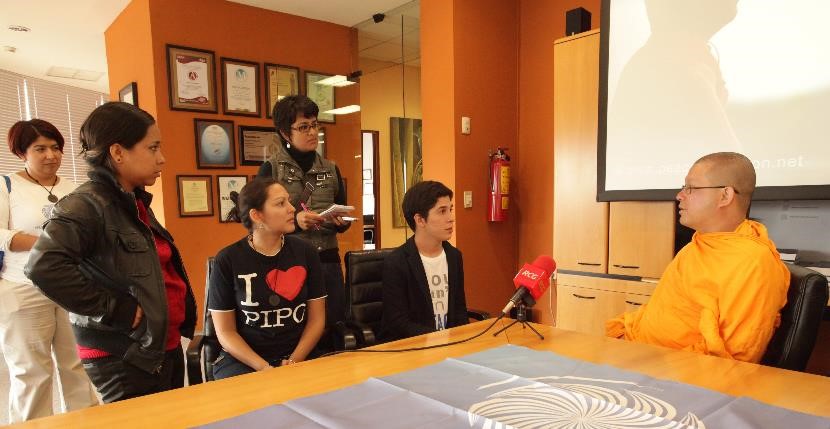
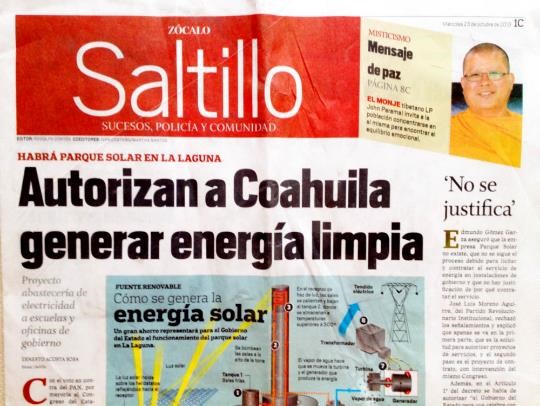
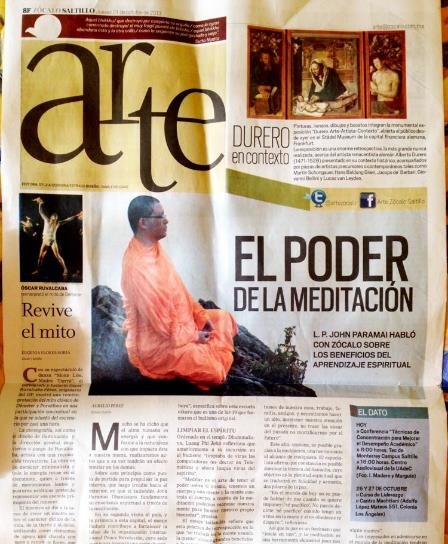
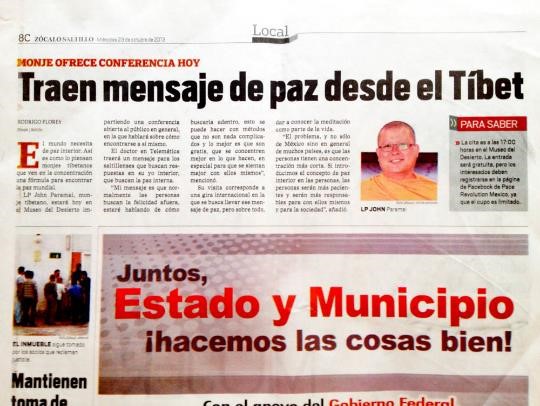
On 22 October the local team organised a press conference at the Desert Museum (Museo del Desierto). Four newspapers and three TV programs came, thanks to Claudia Luna, a generous woman who prepared the invitations and the refreshments for free. She also whispered a request: the museum was going through a hard time, and would I give it a blessing? I said yes, on one condition, that she bring her staff to meditate with us. The merit of a hundred people practising in the museum, together with a sincere wish for it to prosper, would do far more than a blessing from me alone.
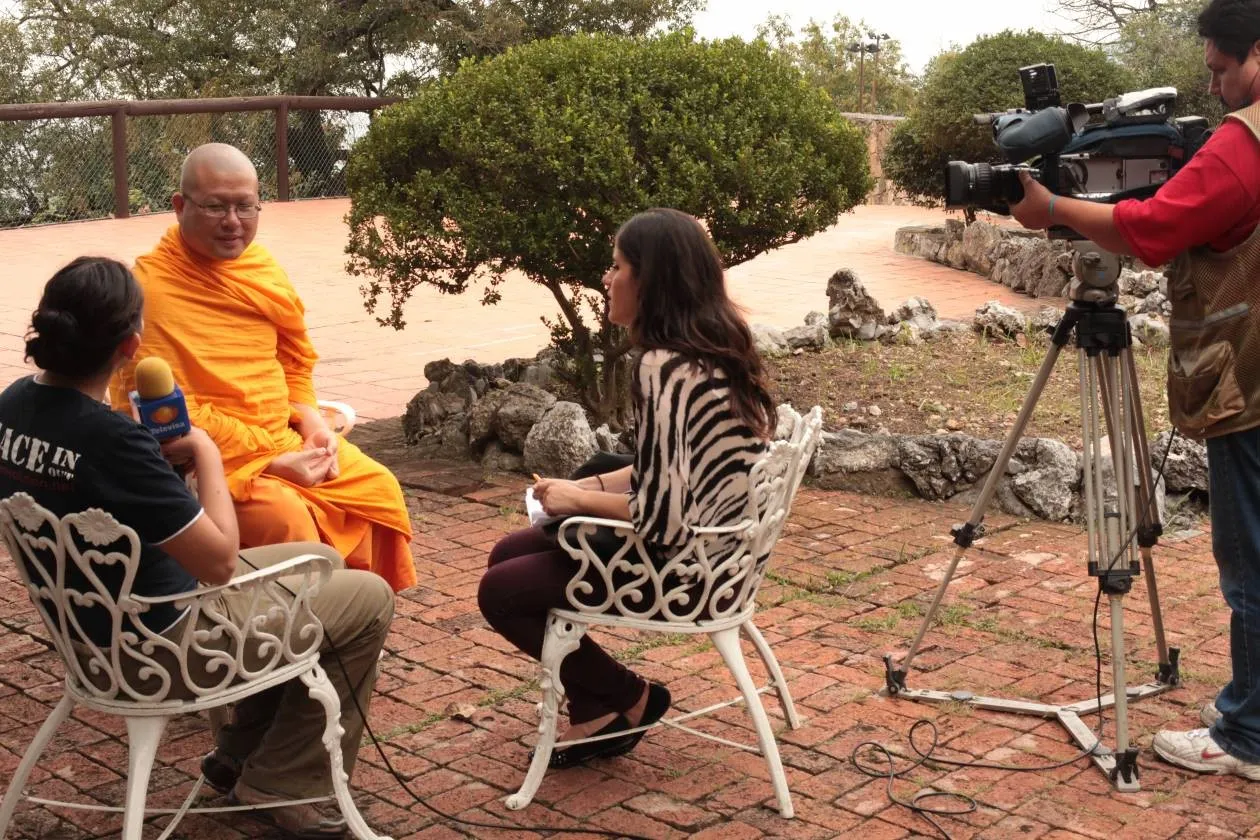
The Dalai Lama had just visited Mexico, so apart from “what is meditation?”, the journalists mostly asked how Theravada Buddhism differs from the Tibetan tradition. I explained it carefully. Journalists are the same all over the world, though. One of the articles, which was otherwise very well written about the power of Dhammakaya meditation, still described me as a Tibetan monk. It was probably a better headline that week.
Live on Mexican TV
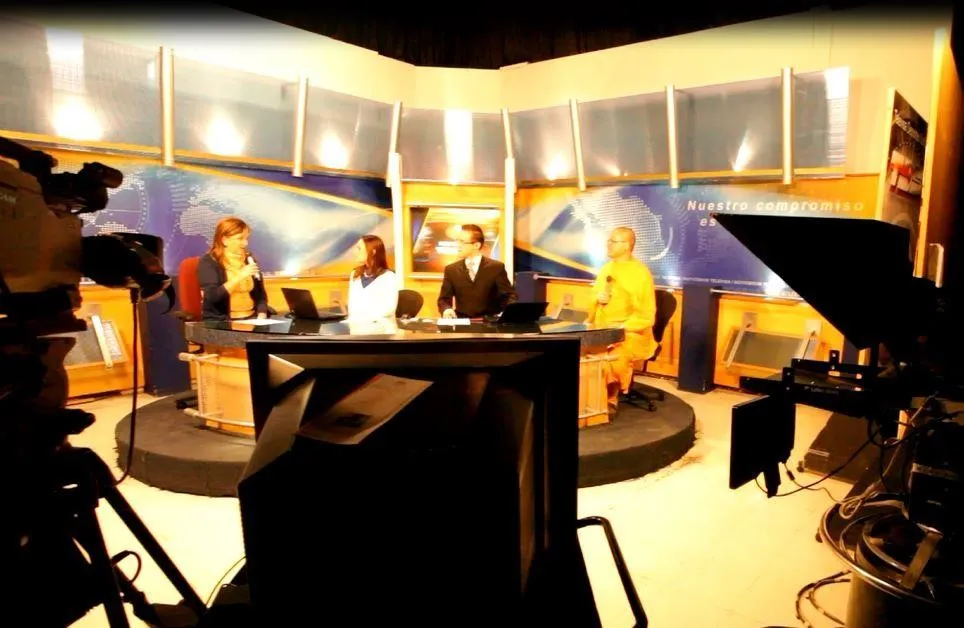
The next morning, a TV station invited me and Leticia, an administrator at the university where we were due to teach, for a live interview about the upcoming meditation. I was stunned by how fast Mexican TV is. It felt like a news anchor sped up to double speed, and I managed to get one sentence in. Leticia, however, said something I will remember: the university saw how much meditation could help students excel, and wanted to offer it to students and the public. Then we rushed to the university.
The university cultural center
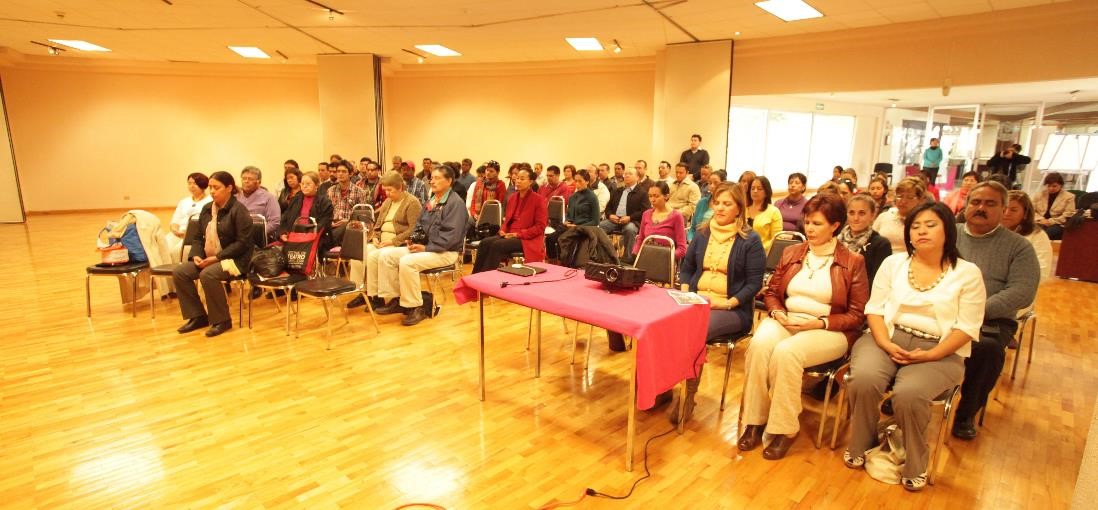
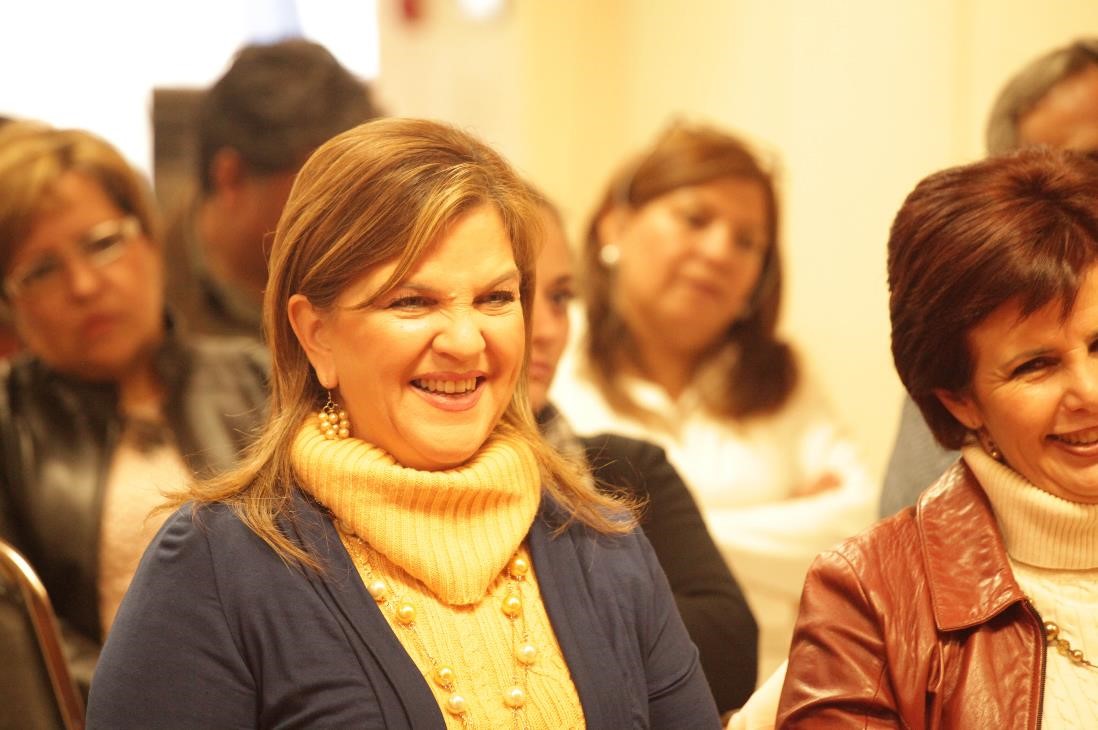
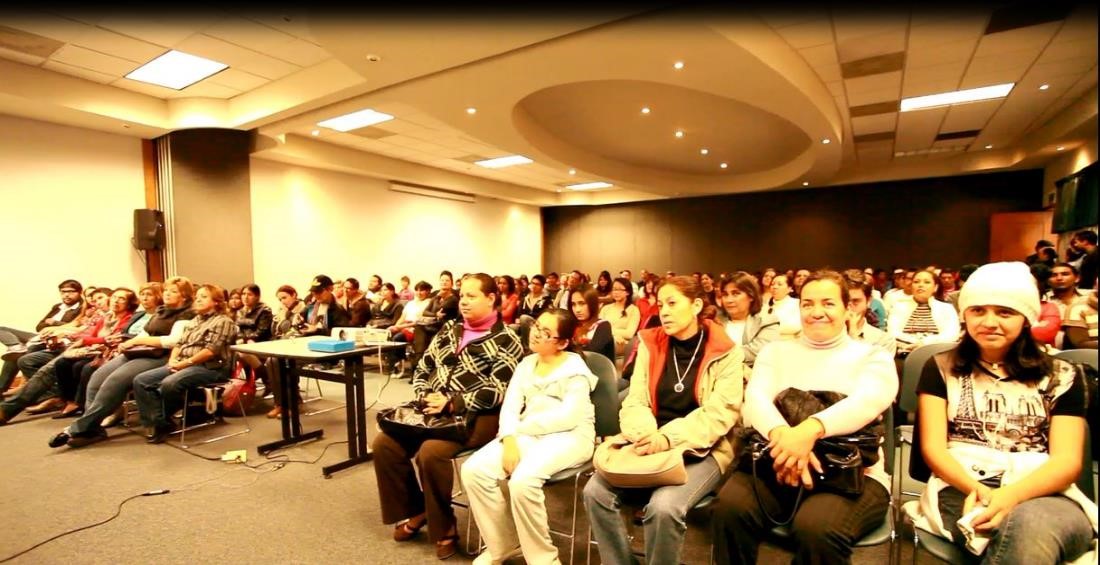
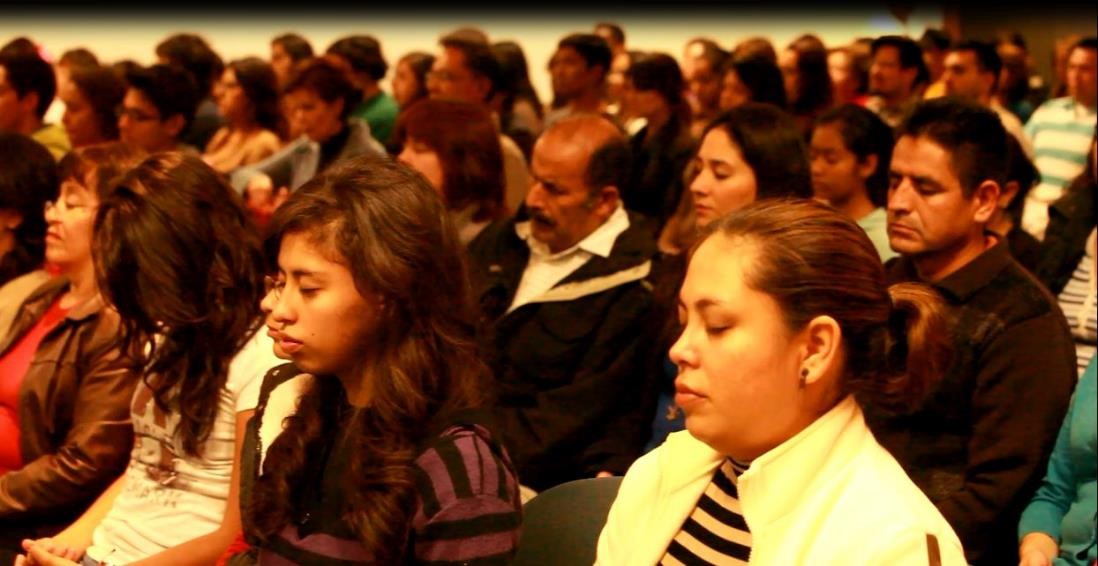
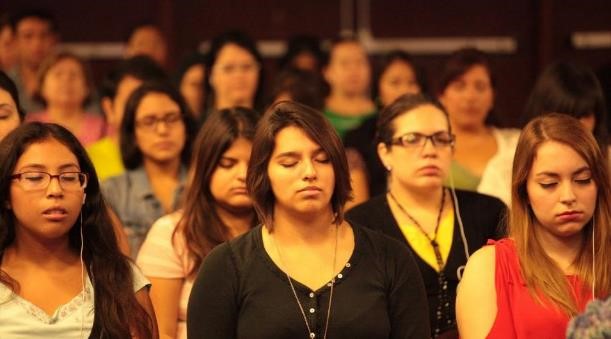
That afternoon we met about 100 people at the Centro Cultural Universitario, a campus devoted to the arts. We meditated for 40 minutes, with Marcela translating, and the room became completely silent. Afterwards, when I asked about their experiences, hands went up all over the room. People felt light, open and bright. Some said their bodies had disappeared, or felt like they had stopped breathing. Several felt themselves expanding like they were flying, until they covered the whole city of Saltillo.
Leticia herself said that when I asked everyone to open their eyes, she did not want to. She had heard friends talk about meditation, and had tried it a few times, but she had never felt her mind stop and sink in this deeply. The body and the mind felt separate and free, she said, and the inner peace she found would surely benefit everyone.
The Desert Museum
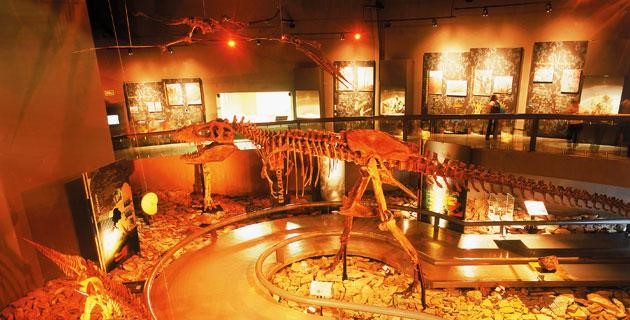
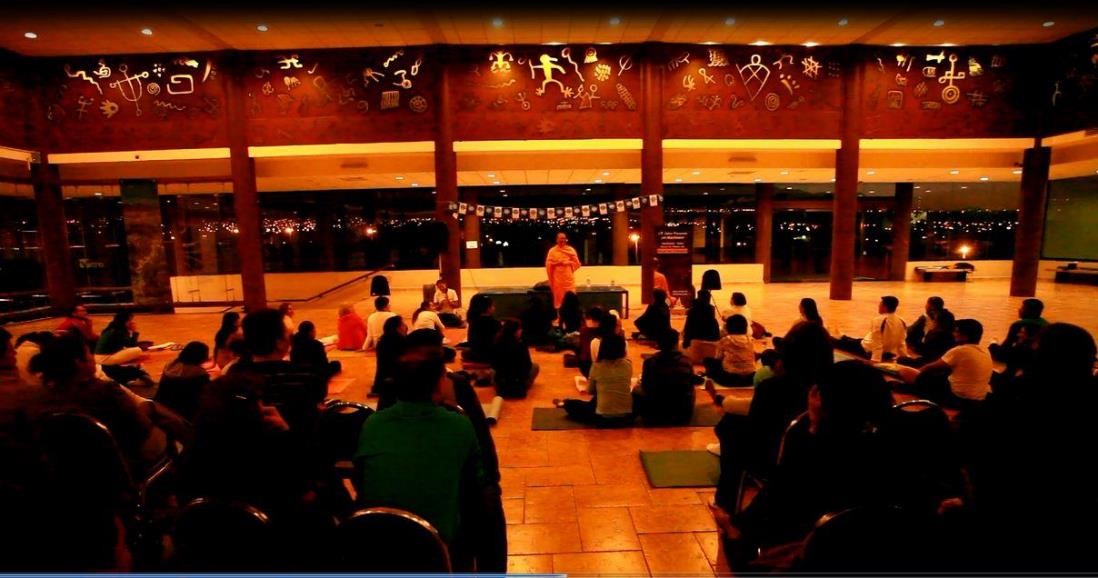
The second session was at the Desert Museum itself, which is a tourist spot for Mexicans and foreigners alike. It explains how the desert was formed and shows the culture of the country, the history of Saltillo and the animals that live in the desert. We expected 150 to 200 people.
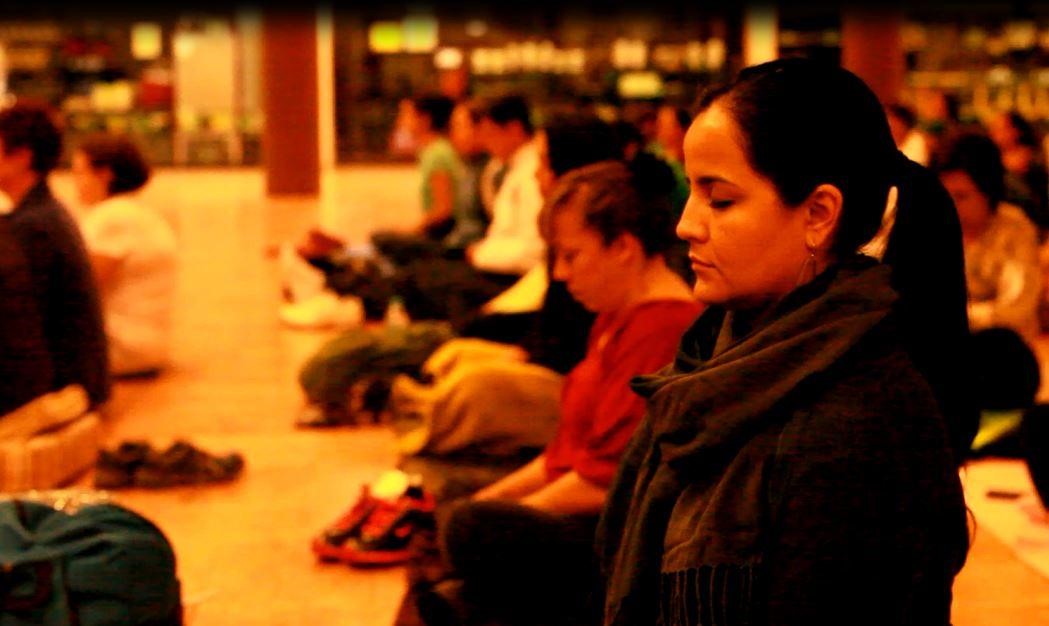
Everything seemed to be going smoothly until the microphone system, set up by the local team, suddenly stopped working. We quickly rearranged the seating so the hundred-plus audience could sit closer, and I spoke with no amplification, with Marcela translating through a small microphone (her voice is quiet). Most people in Saltillo understand some English. I could tell, because when I made a joke, they laughed before the translation arrived. Then, once we started to sit, it was so quiet that the hiss of that little microphone became the loudest sound in the room. Next time I will bring my own small wireless microphone, which would have solved every sound problem on this trip.
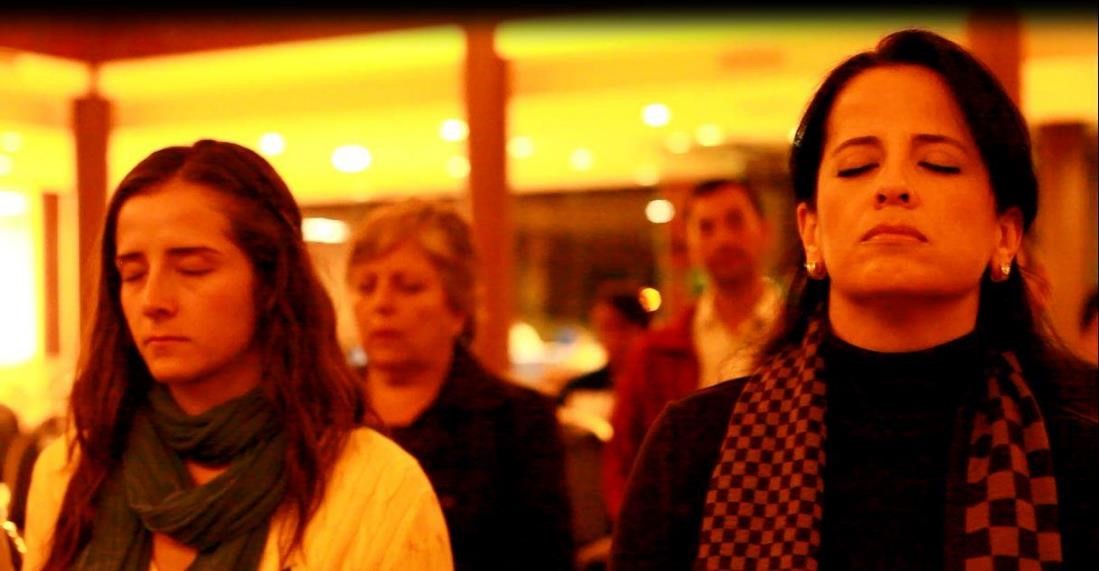
After 40 minutes nobody could believe how fast the time had gone. Many said they felt light and bright and saw their thoughts disappear. Some felt they had dropped into the center and were frightened at first, but learned to let go. One woman who had practised before said the energy flowing from the center of her body was by far the strongest she had felt.
The birthday cake
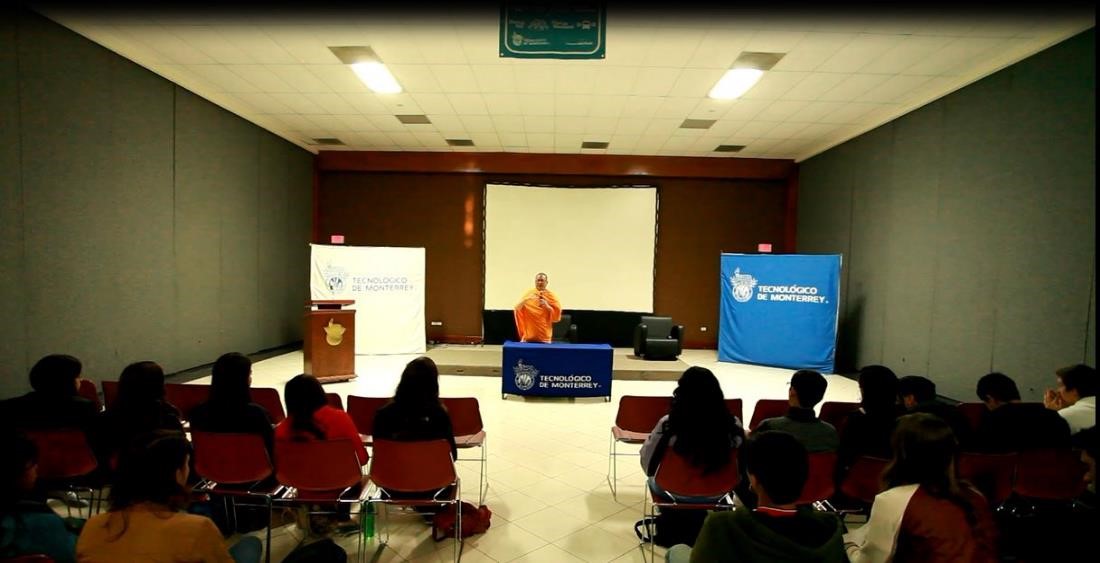
The third day was spent at the demonstration school of TEC de Monterrey, the largest university in the north. About 90 students came. Antonio, who runs both the university center and the school, admitted he was worried. High-school seniors are not known for sitting still, and he was afraid they would embarrass him.
Before we began, a girl came up and offered me a slice of cake. It was her birthday, and her friends had baked it for her. When she heard a Buddhist monk was visiting, she decided to give it to me instead, since she had been curious about Buddhism for a long time. Meeting a real monk, she said, was the best present she could have.
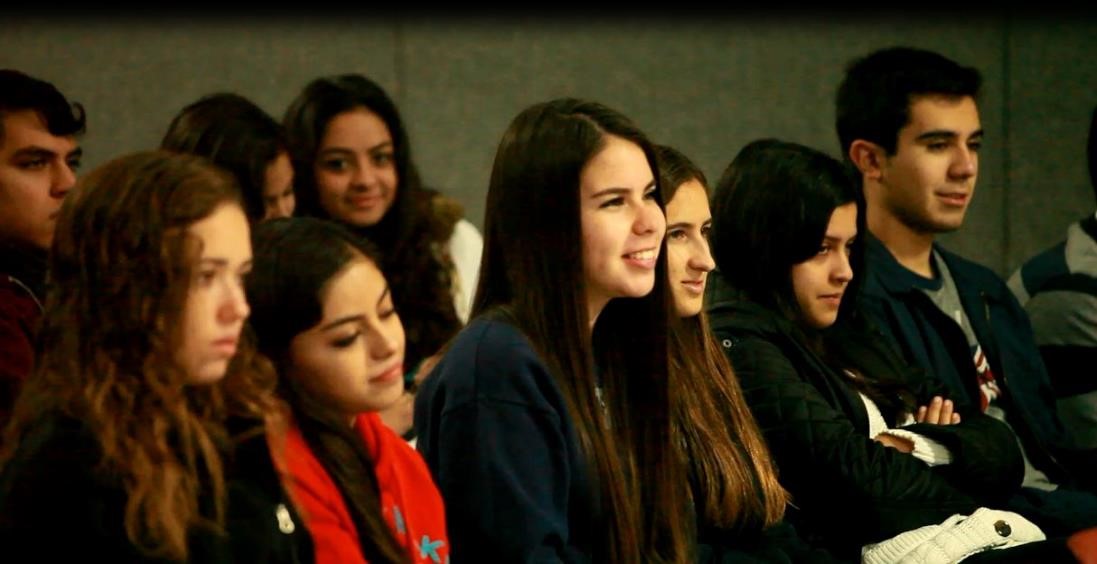
Then the students sat, and Antonio was astonished. More than 90 teenagers were completely quiet. Only one or two could not sit. The rest were drawn in by the benefits we shared, especially the one about meditation improving memory and the ability to remember what you read. Almost all of them were meditating for the first time, and 60–70% could picture a bright sun. No translator was needed, because they all understood English. Student life in Mexico is stressful, and they told us meditation made them feel they could study happily and wanted to continue.
Lee’s help was valuable here. He trained as a journalist, so his interview questions were sharp and never repeated each other. He noticed that adults tend to prefer following the breath or the mantra “Samma Arahang”, but almost 100% of the high-school students said they liked picturing the sun. They described it as easy, and they were excited to share, with natural smiles.
UAdeC, and a blind man who saw light
The Universidad Autónoma de Coahuila, UAdeC, hosted the fourth session. I was curious why every major public university in Mexico has Autónoma in its name. The three women explained that the universities elect their own leaders and set their own curricula, independent of the ministry of education and the government, which is very important to the education system.
Almost 200 people came, students and the general public. Marcela translated again. Everyone was surprised that 40 minutes of meditation felt like 20. More than half said they saw a bright sun. One student said that at first her head was full of thoughts, but when she began the mantra and pictured the sun in her stomach, the thoughts slowly faded, and a great deal of light appeared. In Spanish she said mucha luz. She lost all feeling of her body, as if halfway between sleep and waking, which is the middle path I had described.
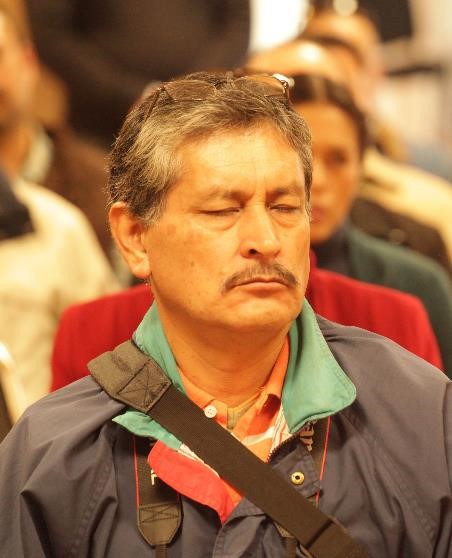
When the session ended, a blind man, led by someone, came up to me. He told me he had felt happiness, energy and a light that appeared in front of him, and that he was shocked and surprised. I encouraged him to keep practising. I told him that with his inner eyes he could see clearly and be happier than with his outer eyes.
Gabriela, who came to every session
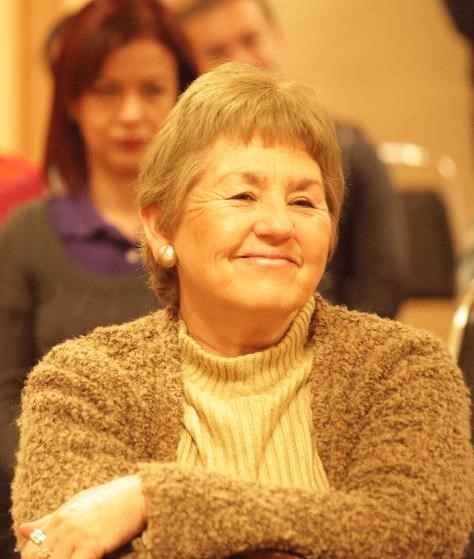
Gabriela, one of the UAdeC administrators, followed us to four sessions, from the first to the last. After the first she told us she had not believed the happiness of meditation could be something tangible, and yet she felt it affect her thoughts, words and actions. In the final session, when she let go of the mantra, a bright light appeared around her face and she gradually melted into the comfort. She said when she first saw me she thought a monk was like an angel, untouchable and out of reach. Now she knew I was an ordinary person, even if she could not touch me, and yet she felt oddly close, and the Dhamma made her want to listen again and again. When she realised we would soon leave, she told us she was sorry to lose the opportunity.
Staying with Dr. Humberto
We stayed in the house of Dr. Humberto, a retired doctor, and his wife. They are close friends of Marcela’s family, and the moment they heard a monk was coming to Saltillo, they offered their two spare rooms, now empty since their son and daughter had grown up and moved out. Their price was an interview and a chance to learn about Buddhism.
On Friday 25 October Dr. Humberto asked me almost 20 questions. Since retiring, he had become fascinated by history and philosophy, but he had never seriously studied Buddhism. Every time I answered, he mumbled “very interesting” to himself. We used both English and Spanish, as his English was not strong. He later told me the answers were extremely useful and that he would keep them in the university library as reference. A few of his questions:
- Is Buddhism a religion or a philosophy of life?
- What does happiness mean in Buddhism?
- Does having a king in Thailand influence Buddhism?
- Who is the Dalai Lama to a Theravada monk, and what happens to Tibetan Buddhism after he dies?
- How does Buddhism relate to science, and how does it see Jesus?
- What inspired you to become a monk, and will you be one for life?
- Why is your robe orange?
- How does a practitioner know they have attained arahantship?
His wife was just as kind. Every day she woke early to cook, before Marcela rushed over to help set up my meal at 6:30. A Mexican breakfast is heavy, and every plate comes with beans and tortillas. She also joined me for several meditation sessions and, each time, saw light and felt happy.
The Mexican chile deserves a mention too. The habanero is famous for its heat, and some foreign journalists have called it the hottest in the world, which made Thai readers wonder how it could be hotter than our chilies. So here is my comparison:
- Thai chili burns the tongue and blisters the mouth.
- Japanese wasabi goes up the nose.
- Peruvian chili goes to the head, and it itches afterward.
- Chinese chili burns across the whole face.
- Mexican chili burns… a couple of hours later, from the other end.
A full-day course
The Machtiani Institute is managed by Antonio, the same TEC de Monterrey administrator. Here the local team asked participants to contribute towards our costs, so only a small group came. It was a full day of teaching from 9 am to 6 pm, titled Meditation and Leadership, and the institute awarded certificates. Most of the participants were trainers who already teach leadership, but they wanted to hear the Buddhist view, and had never heard it from a monk.
I asked them to treat the day as their own retreat: whatever would upset their mind, they should postpone until after 8 pm. I taught them the Thai word sabai, a relaxed and comfortable feeling, and asked them to keep it all day. We sat twice, morning and afternoon.
My view of leadership is that in Buddhism we take the virtues of the Buddha as a model: purity, compassion and wisdom. Meditation purifies the mind and sharpens our judgement about what is right and wrong, so that others can follow our example. It also builds the four brahmavihara (loving-kindness, compassion, sympathetic joy and equanimity), which win people’s hearts and give us the wisdom to solve a team’s problems efficiently. From there I turned to the law of karma and the universal virtues of cleanliness, orderliness, politeness and punctuality, which a leader can use to build good habits across an organisation. They all said it was fascinating, logical and new to them. Many wrote furiously in their notebooks.
By the fifth day more than 500 people had joined us. It was clear this trip would be special.
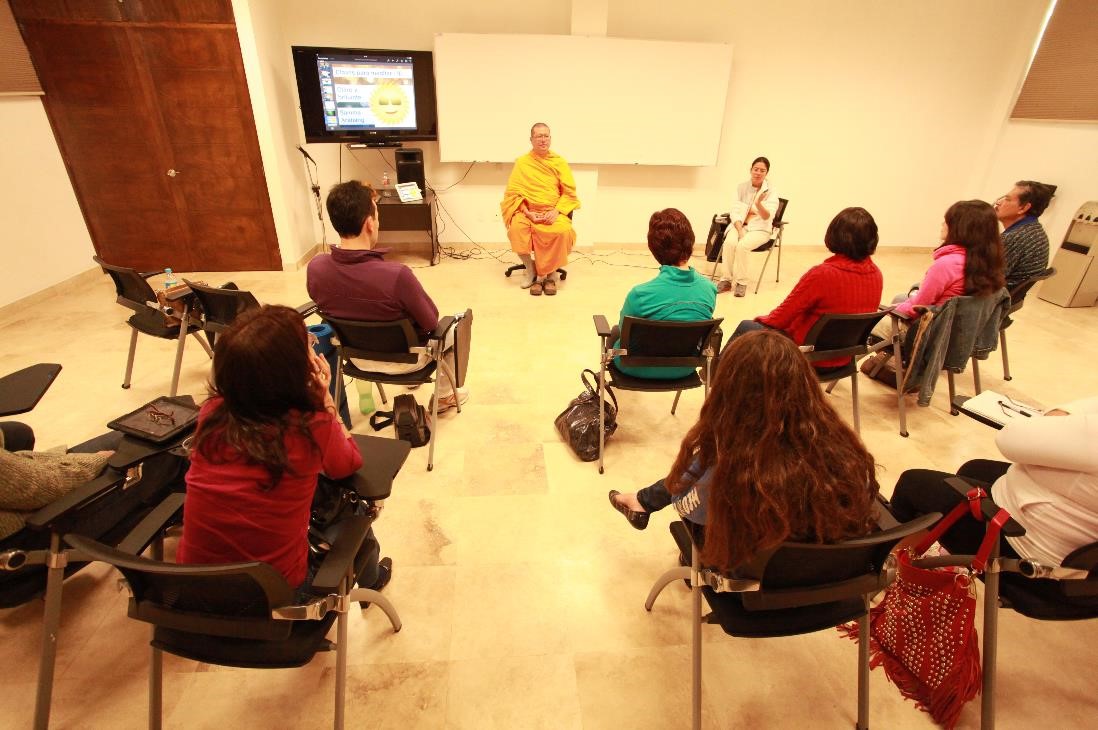
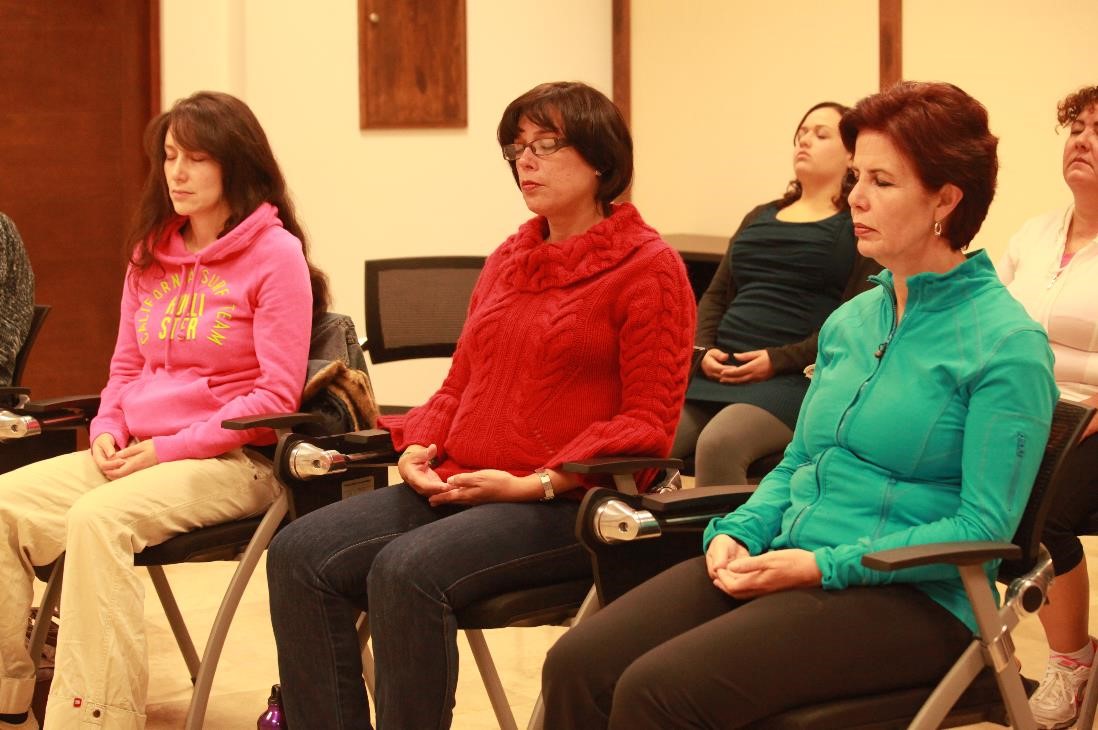
Saltillo sessions
| # | Venue | Topic | Attendees |
|---|---|---|---|
| 1 | UAdeC, University Cultural Center | How to live in harmony with ourselves and society | 80 |
| 2 | Desert Museum (MUDE) | Searching for happiness through inner peace | 150 |
| 3 | ITESM Saltillo | New concentration skills to improve academic performance | 70 |
| 4 | UAdeC, University Audiovisual Center | New concentration skills to improve academic performance | 200 |
| 5 | Machtiani Center | Leadership and meditation course | 12 |
Monterrey
After Saltillo we drove to Monterrey, the capital of the state of Nuevo León, only an hour and a half away. The name means “valley of the king”. It has the highest average income per person in Mexico, and Fortune once ranked it the best city in Latin America for doing business. The three women were still our main team. They aimed to reach the big university networks, and to hold a weekend retreat.
Marcela kept driving, but she translated less. In Saltillo the more she translated, the more her voice disappeared, and she began to cough. Carmen, who lives in Monterrey, took over as translator.
CEEAD, Carmen’s workplace
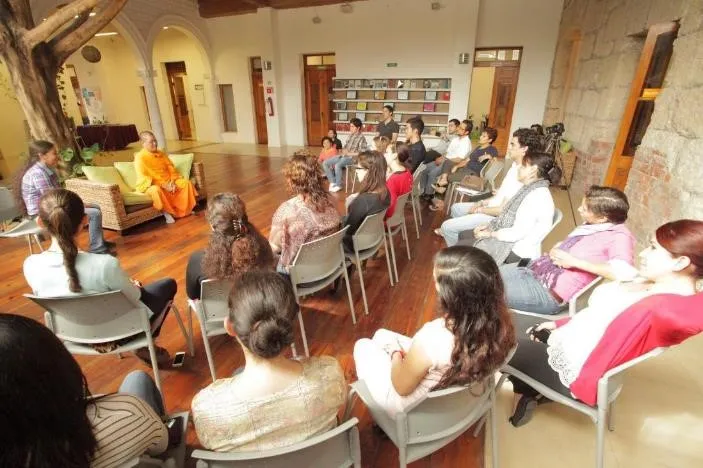
The first session was at Carmen’s office, the Center for Legal and Human Rights Studies (CEEAD), an NGO that teaches Mexicans about the law and their rights, especially indigenous people. Carmen had already run online meditation for her colleagues, so it wasn’t new to many of them. But meeting a real monk brought out more people than usual. One staff member was away on field work, so a colleague set up a laptop on a chair so she could sit and meditate with us live.
UANL, the state university
Carmen’s academic background opened the door to three major universities: UANL, TEC de Monterrey and TecMilenio.
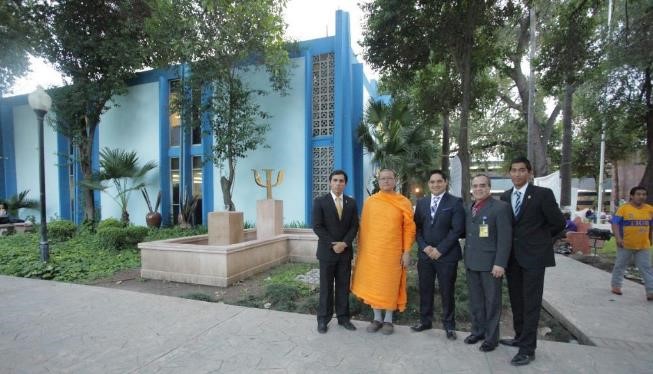
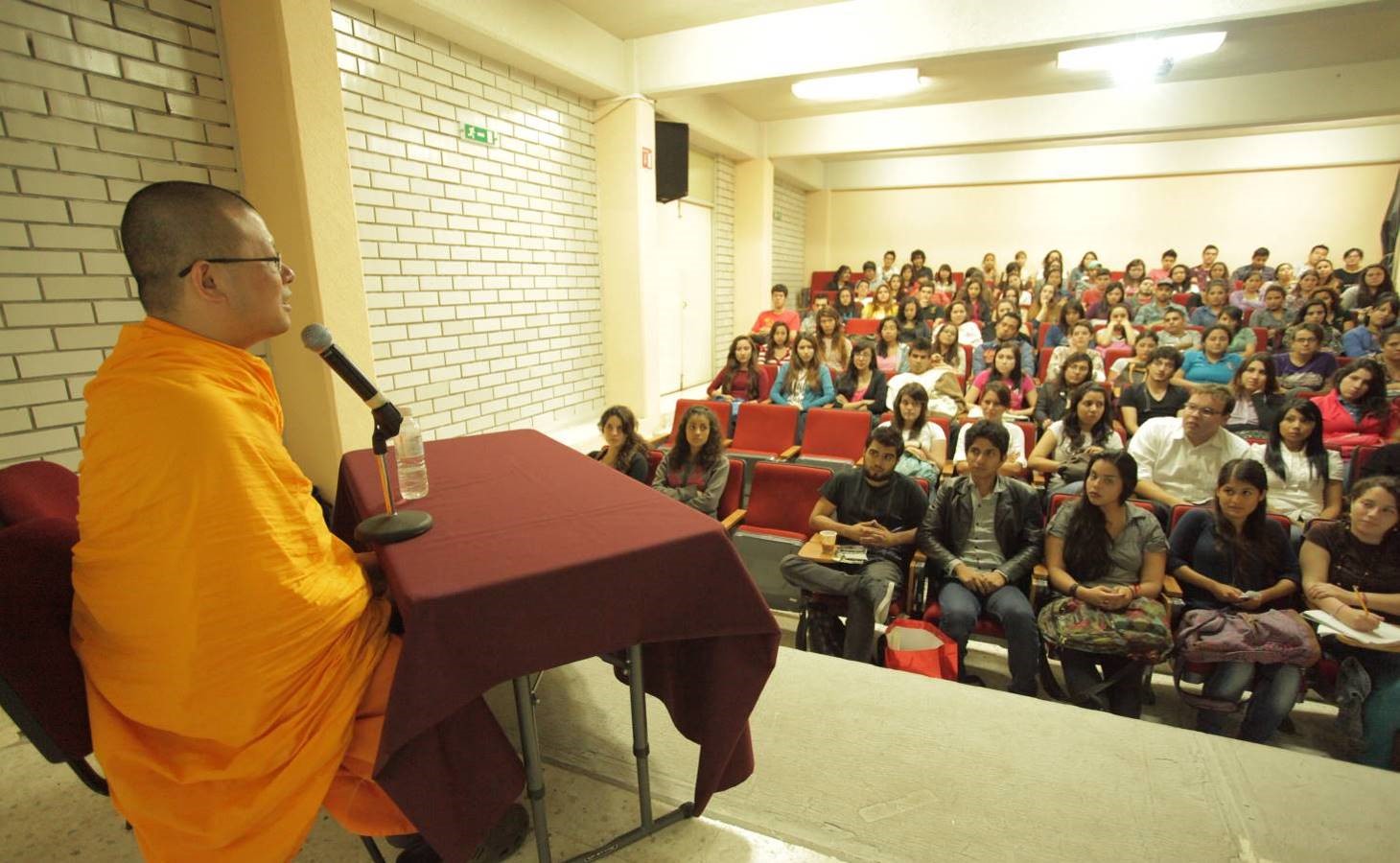
UANL, the University of Nuevo León, is the most important public university in the north of Mexico. When we arrived, the dean of Psychology and the student president were there to welcome us themselves. They told us meditation is deeply connected to psychology. When they heard that a monk from Thailand was coming, they did not hesitate to invite me to teach students from their faculty and others. Before we started, the dean took us on a tour of the psychiatric clinic where the students train, and told us that most patients’ problems come down to stress.
The hall overflowed, and latecomers couldn’t get in. We meditated for about 40 minutes, and I talked about the life of a monk and how we live on the four requisites to stay simple and in harmony with nature. Many students felt their bodies disappear or become light enough to float. The psychology students were very excited, and told us that what I had shared about moderation and controlling consumption is the foundation for solving almost every problem, and that they would apply it with their patients.
TEC de Monterrey and the yoga club
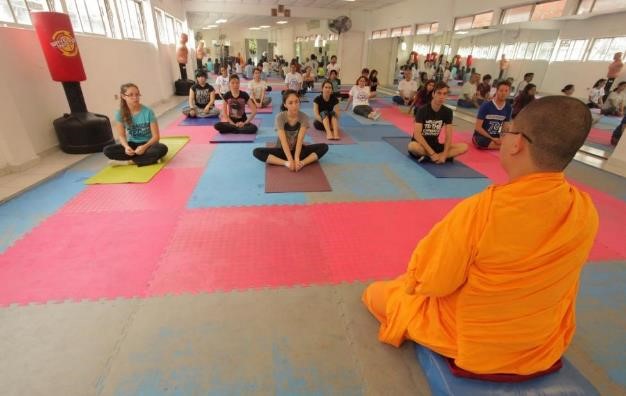
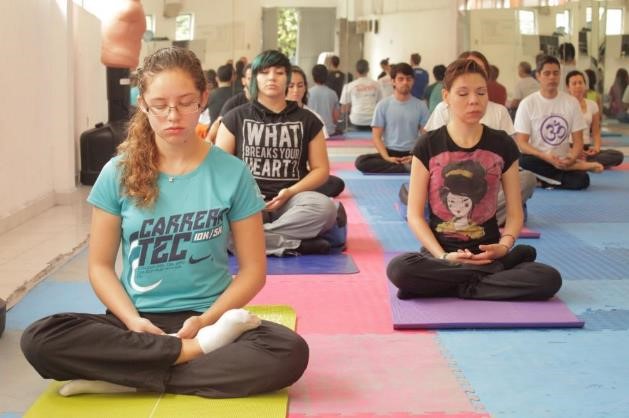
TEC de Monterrey is the best-known (and most expensive) private university in Mexico. It began in Monterrey, founded by a group of businessmen to raise the standard of education as the city grew. Today it has 31 campuses in 25 cities and around 100,000 students, and in 2011 it ranked second in Mexico, behind UNAM in Mexico City. Carmen herself studied there on a full scholarship.
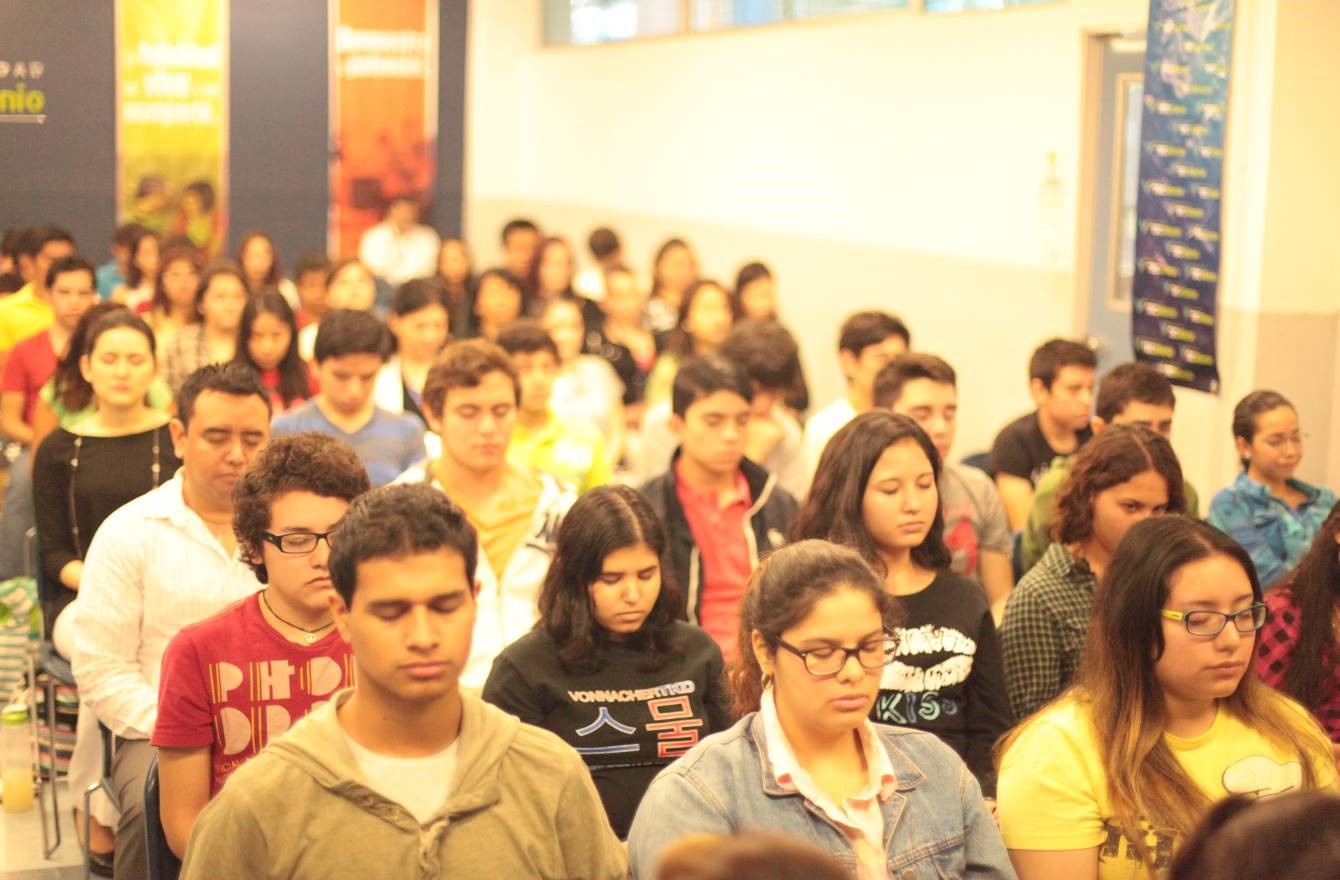
This time the team contacted the university’s yoga club, and I led two sessions with teachers and undergraduate, master’s and doctoral students. Experiences ranged from feeling light, to disappearing, to sitting alone in an open, timeless space. A few said that the center-of-the-body meditation gave them better and easier results than the yoga or TM they had practised before.
TecMilenio, three campuses in two days
The three women contacted Dr. Luis Gutiérrez, a vice-president of TecMilenio, to organise meditation workshops for students. TecMilenio has the same owner as TEC de Monterrey but was created to be more affordable, particularly for working adults. If TEC de Monterrey is a Mercedes E-class, TecMilenio is a Toyota Camry. In 2011 it ranked seventh in Mexico.
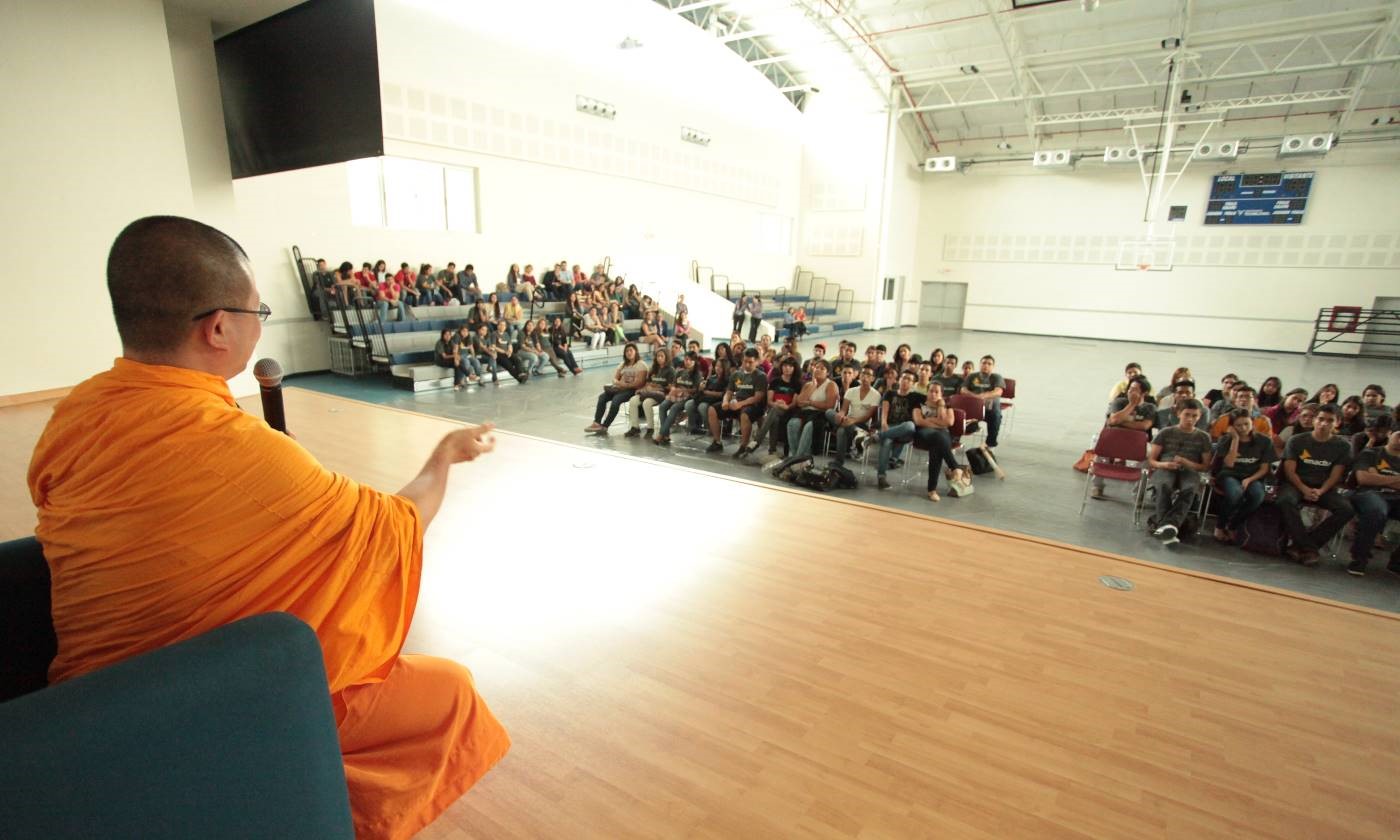
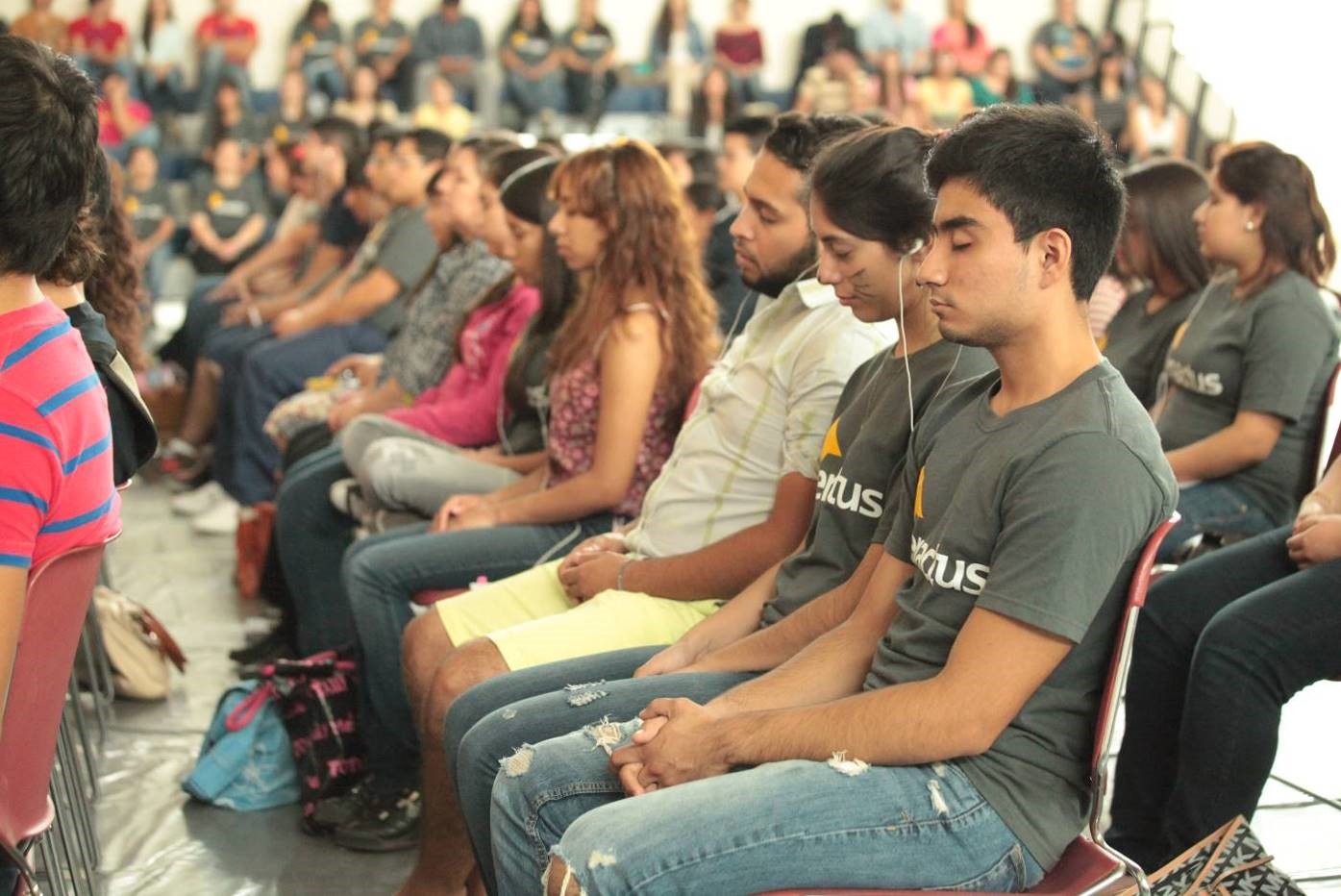
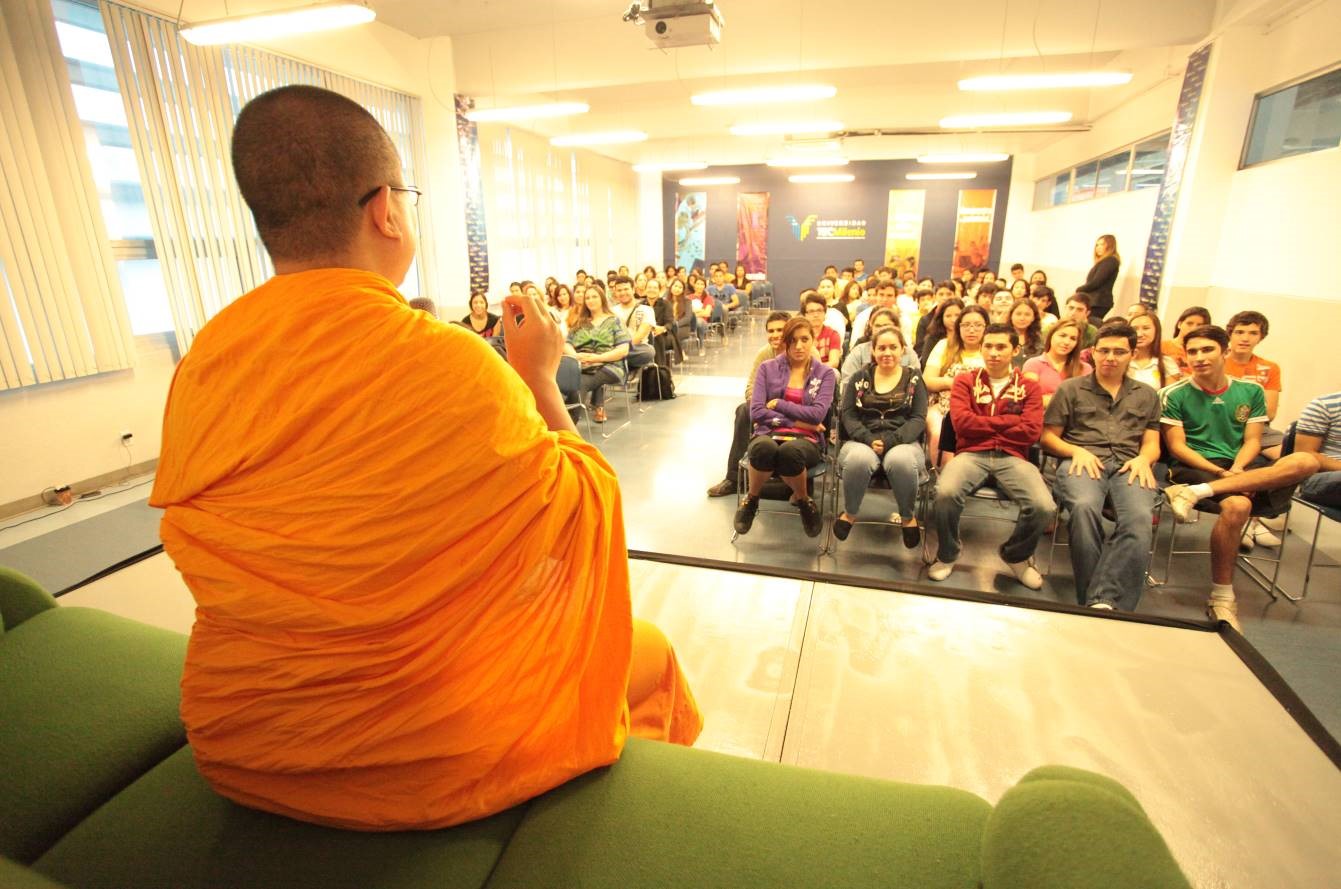
TecMilenio sponsored our stay in Monterrey and invited me to teach at three campuses: Las Torres, Cumbres and San Nicolás. More than 350 students came in total. Some said they had never been able to sit more than 15 minutes before. Others told us that if it was always this relaxing and happy, they could sit all day without getting bored. People described disappearing, expanding, becoming light enough to float, or feeling their bodies move.
After the session at Las Torres, Dr. Margarita, the director of the Institute of Science of Happiness, told us how much she loved the experience. She asked how to establish a meditation club in a university. I shared how Buddhist clubs work in Thailand, and she was keen for us to advise her, since she hoped to start one at TecMilenio. Dr. Luis was also surprised by the response from both teachers and students. Half-jokingly, he said he wanted Marcela and Carmen to train in Thailand as meditation teachers, so that when they came home he could hire them to teach children at TecMilenio and lead a club.
Anamaya
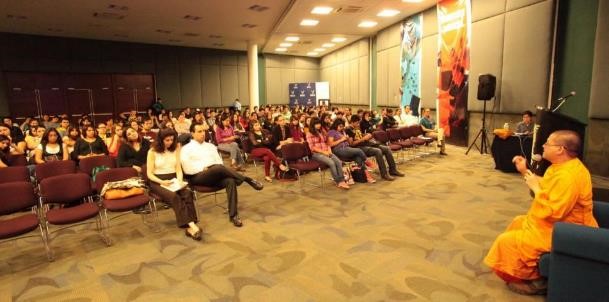
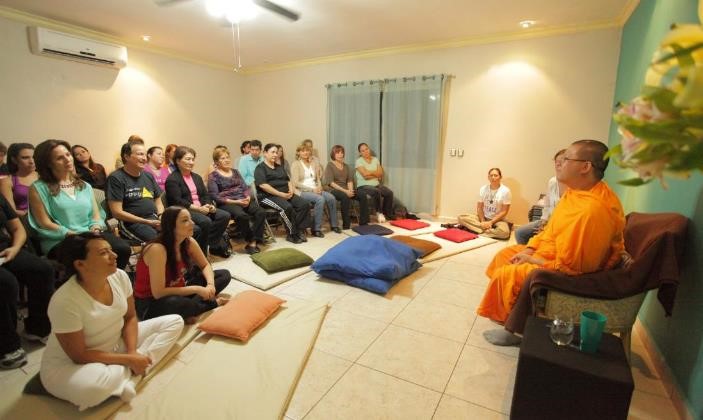
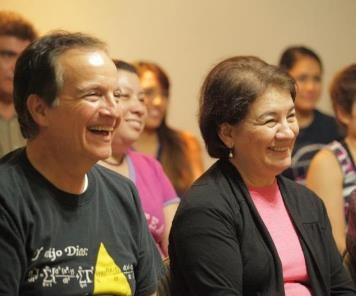
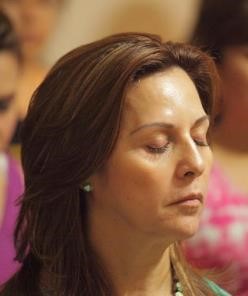
Anamaya is a center for eastern practices: yoga, several forms of meditation, energy work and music therapy. Everyone who came was interested and ready, and the results showed it. Almost nobody believed 40 minutes had passed. When I asked who could picture a full moon, nearly everyone raised their hand and said they saw a bright, glowing moon. A friend of Marcela’s said the center of her body pulled her in several times.
Monterrey sessions
| # | Venue | Topic | Attendees |
|---|---|---|---|
| 1 | CEEAD | Meditation: a tool to live in balance and mindfully | 50 |
| 2 | UANL, Faculty of Psychology | A monk’s life and tradition in Thailand | 100 |
| 3 | Yoga TEC | Meditation practice | 30 |
| 4 | Anamaya Holistic Center | Meditation: a tool to live in balance and mindfully | 30 |
| 5 | TEC Milenio, Las Torres | Meditation: a tool to live in balance and mindfully | 100 |
| 6 | TEC Milenio, San Nicolás | New concentration skills to improve academic performance | 100 |
| 7 | TEC Milenio, Cumbres | Meditation: a tool to live in balance and mindfully | 75 |
Retreat at Chipinque
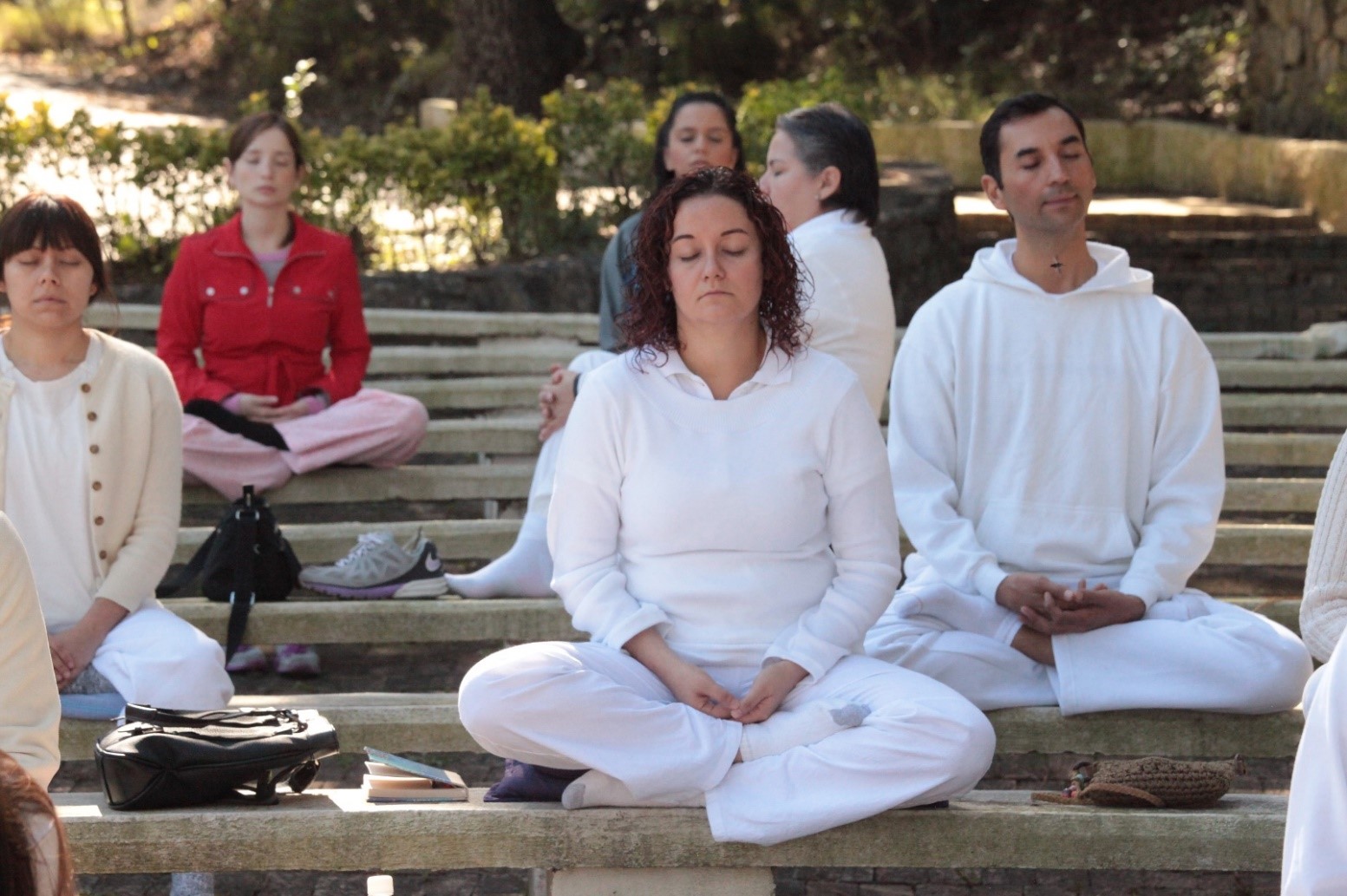
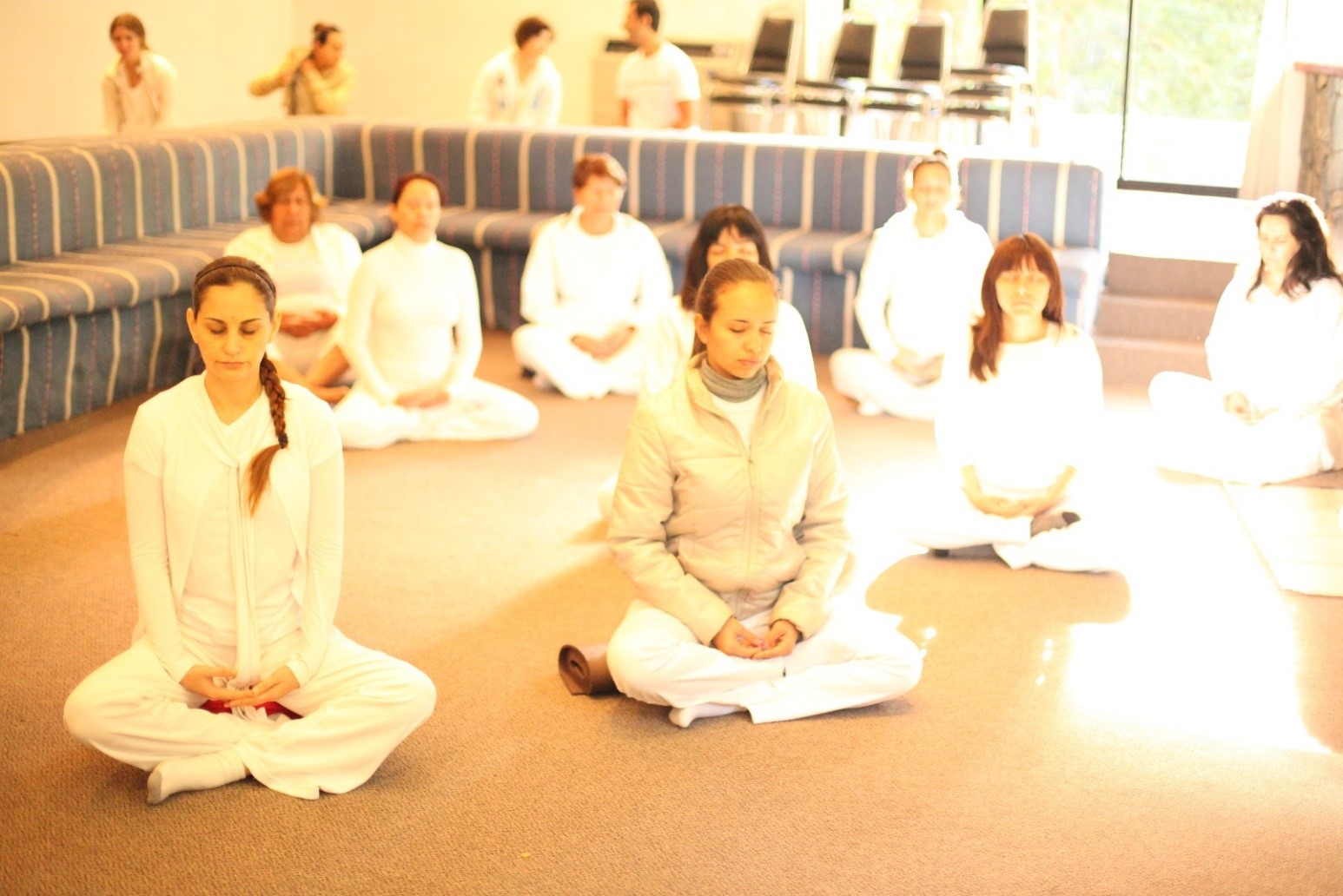
Between Monterrey and Puebla, we held a three-day retreat at Hotel Chipinque, with 23 to 24 participants each day. Chipinque is a private botanical garden high on a mountain, and a famous destination for the people of Monterrey and beyond, because from there you can see the entire city. The three women planned a weekend retreat, and for this one participants paid to attend, to cover the hotel and the team’s food and travel.
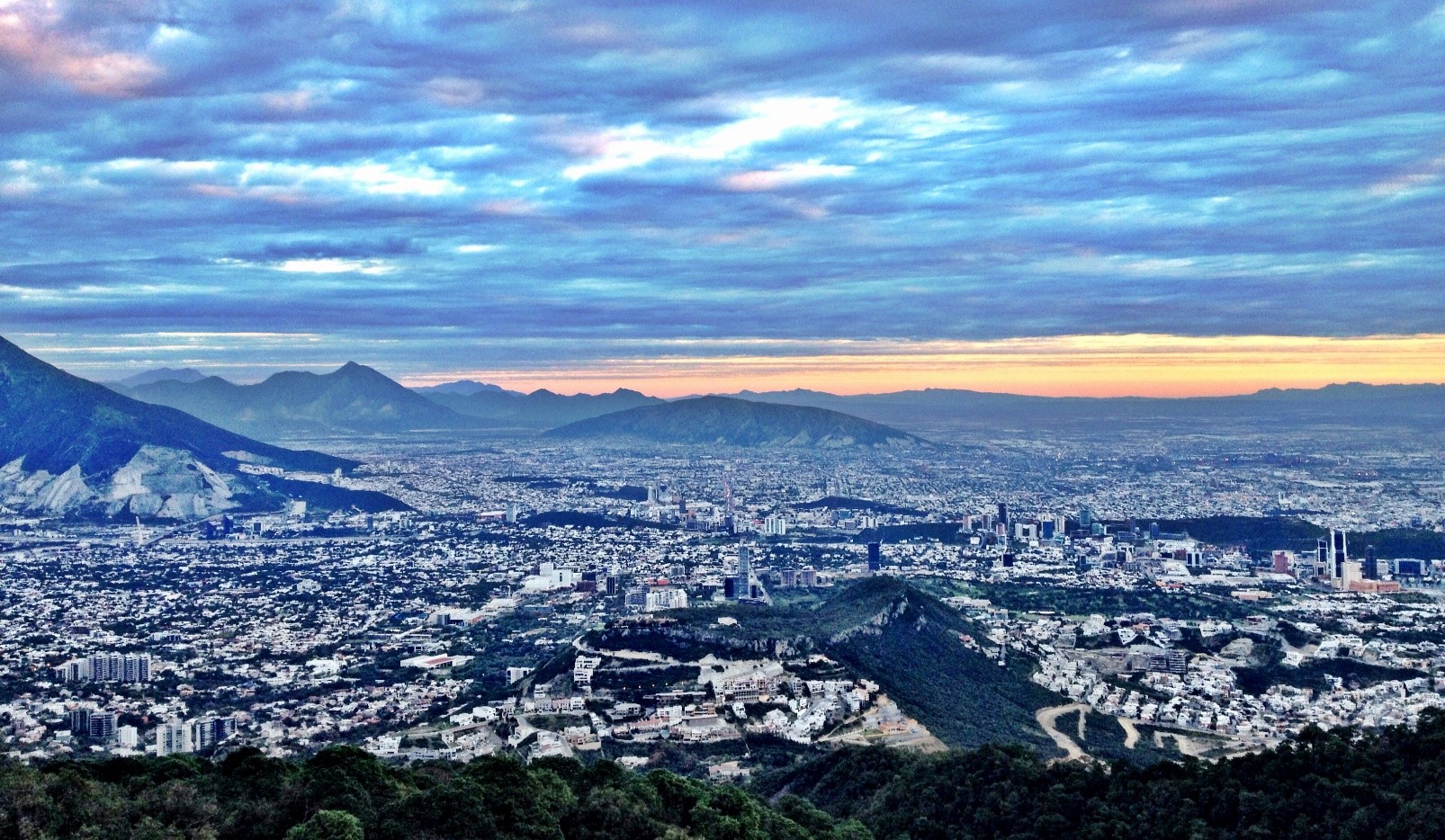
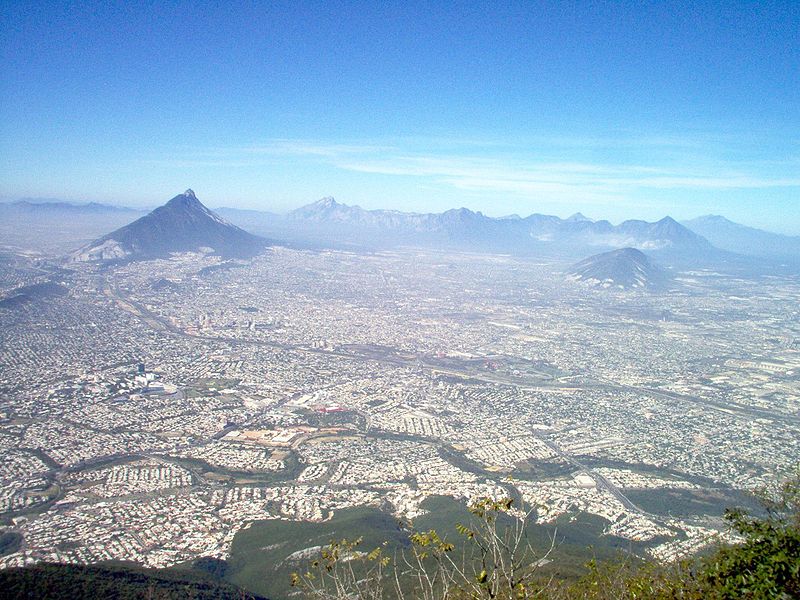
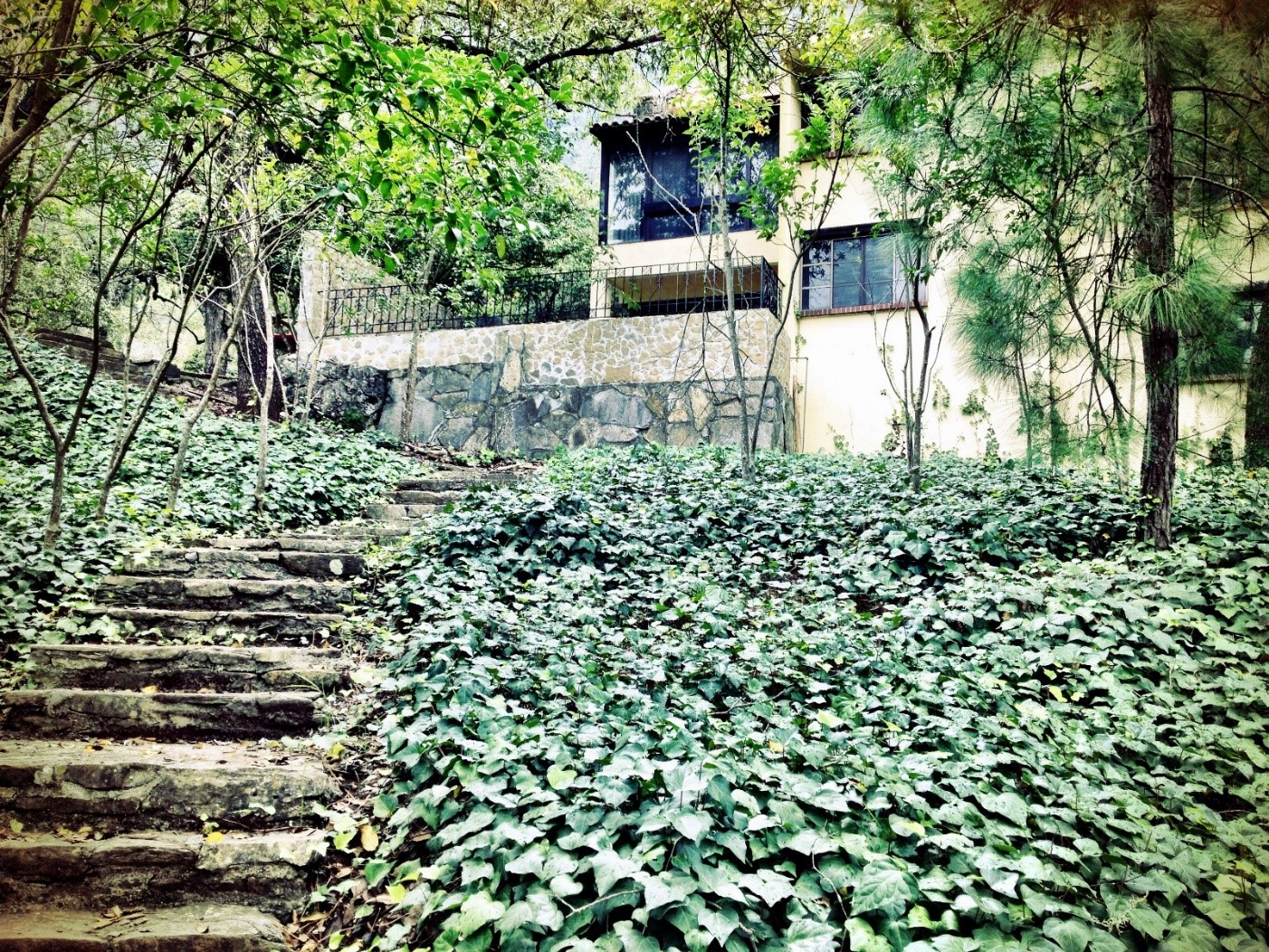
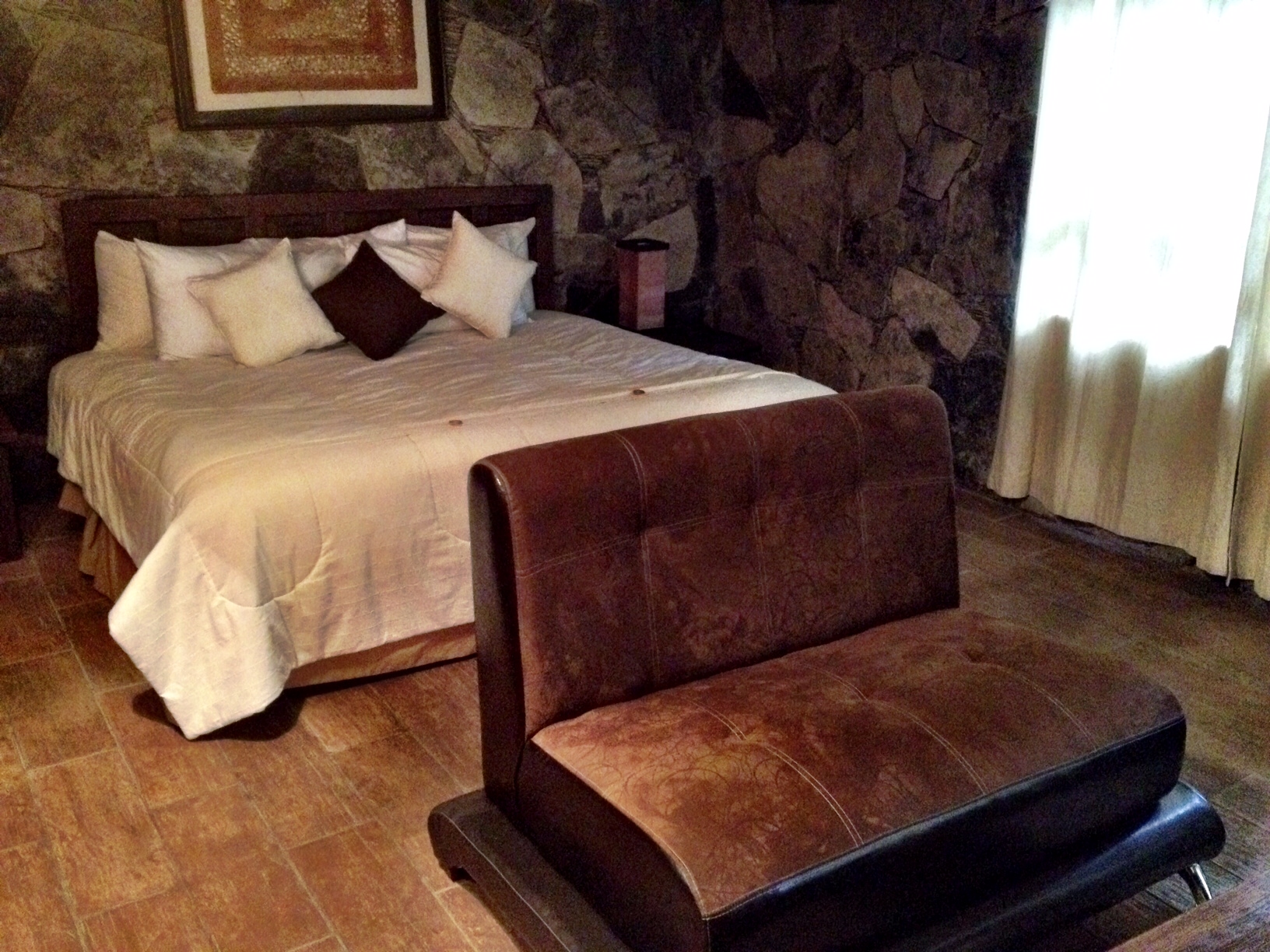
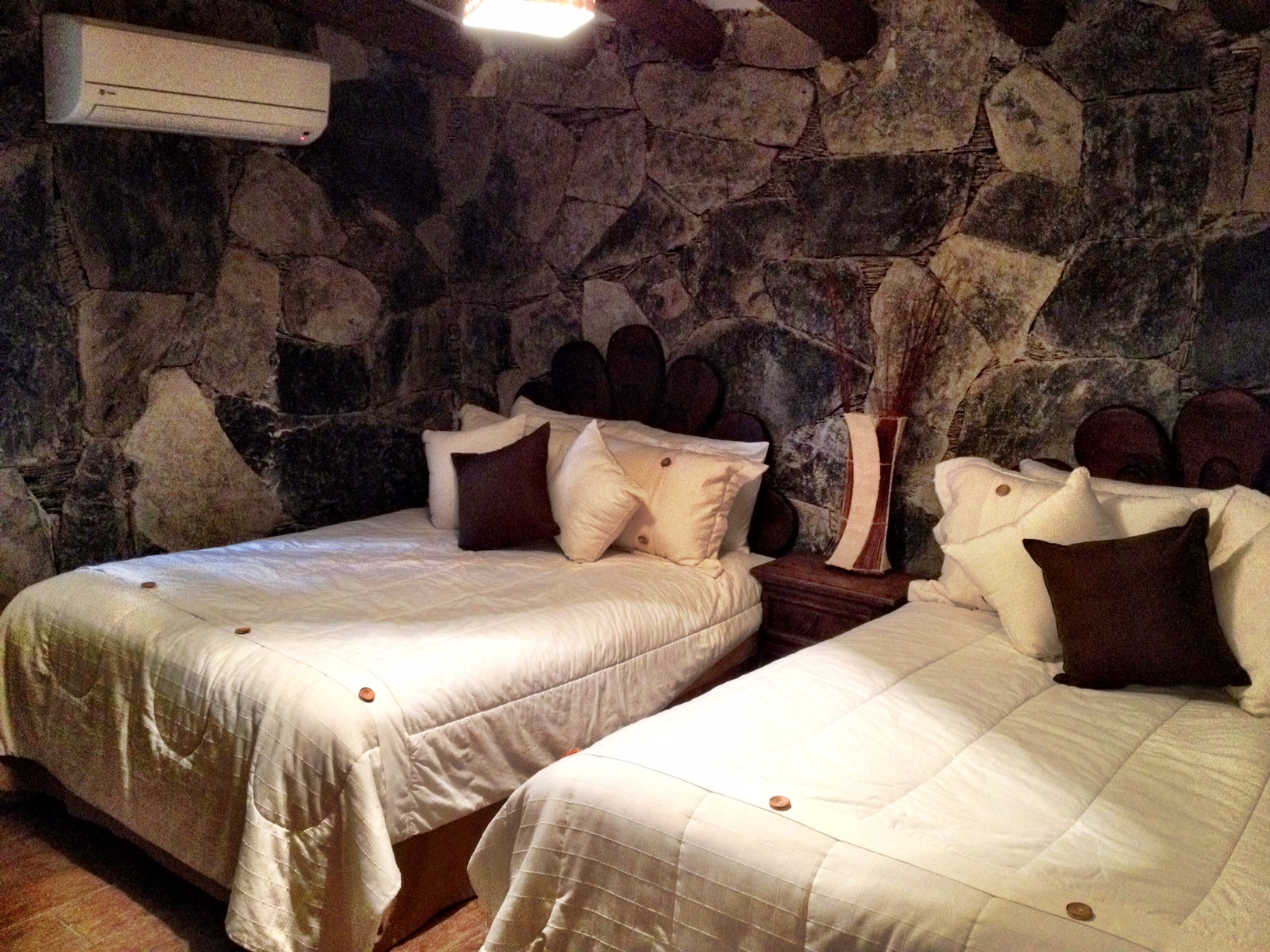
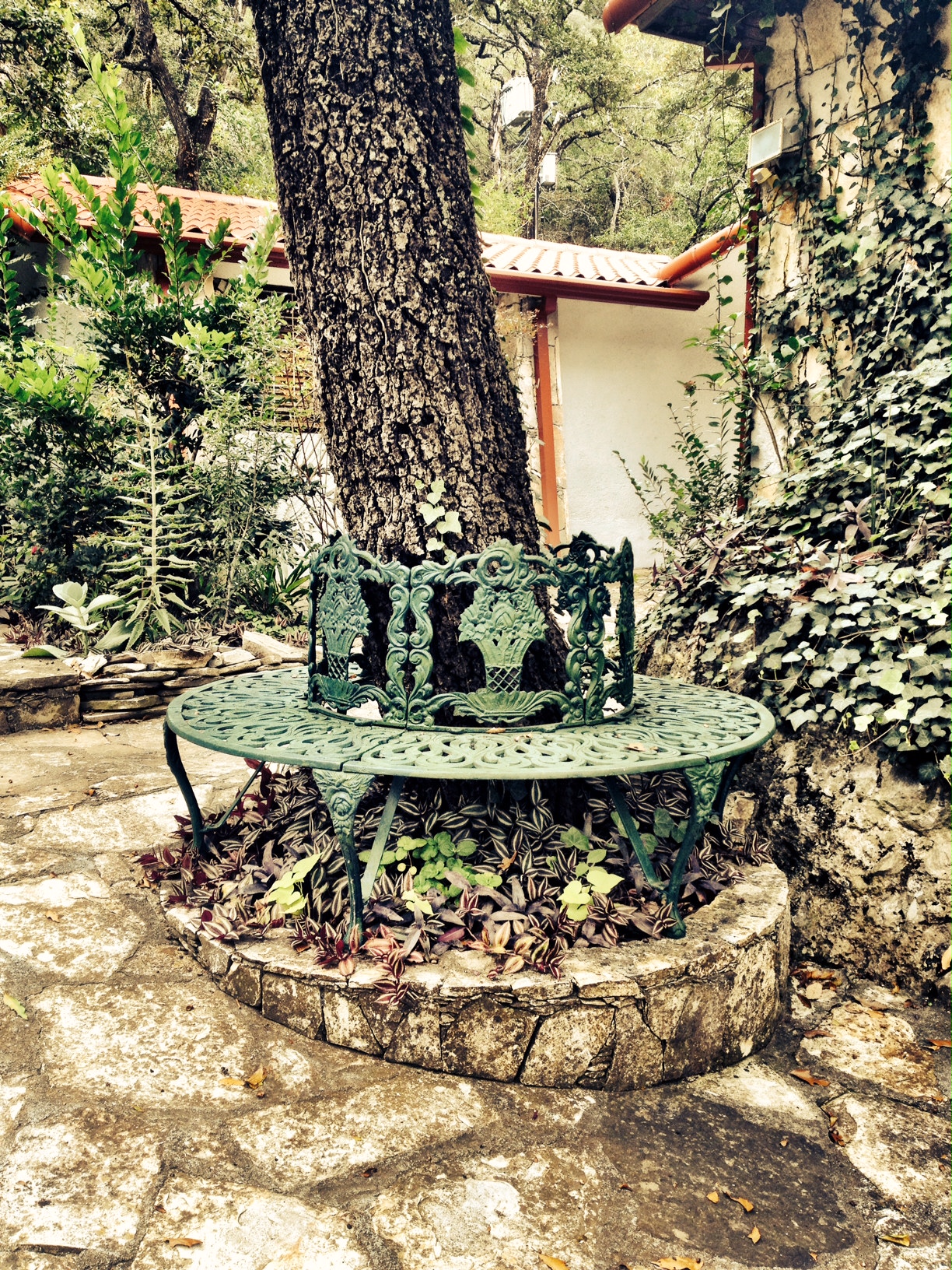
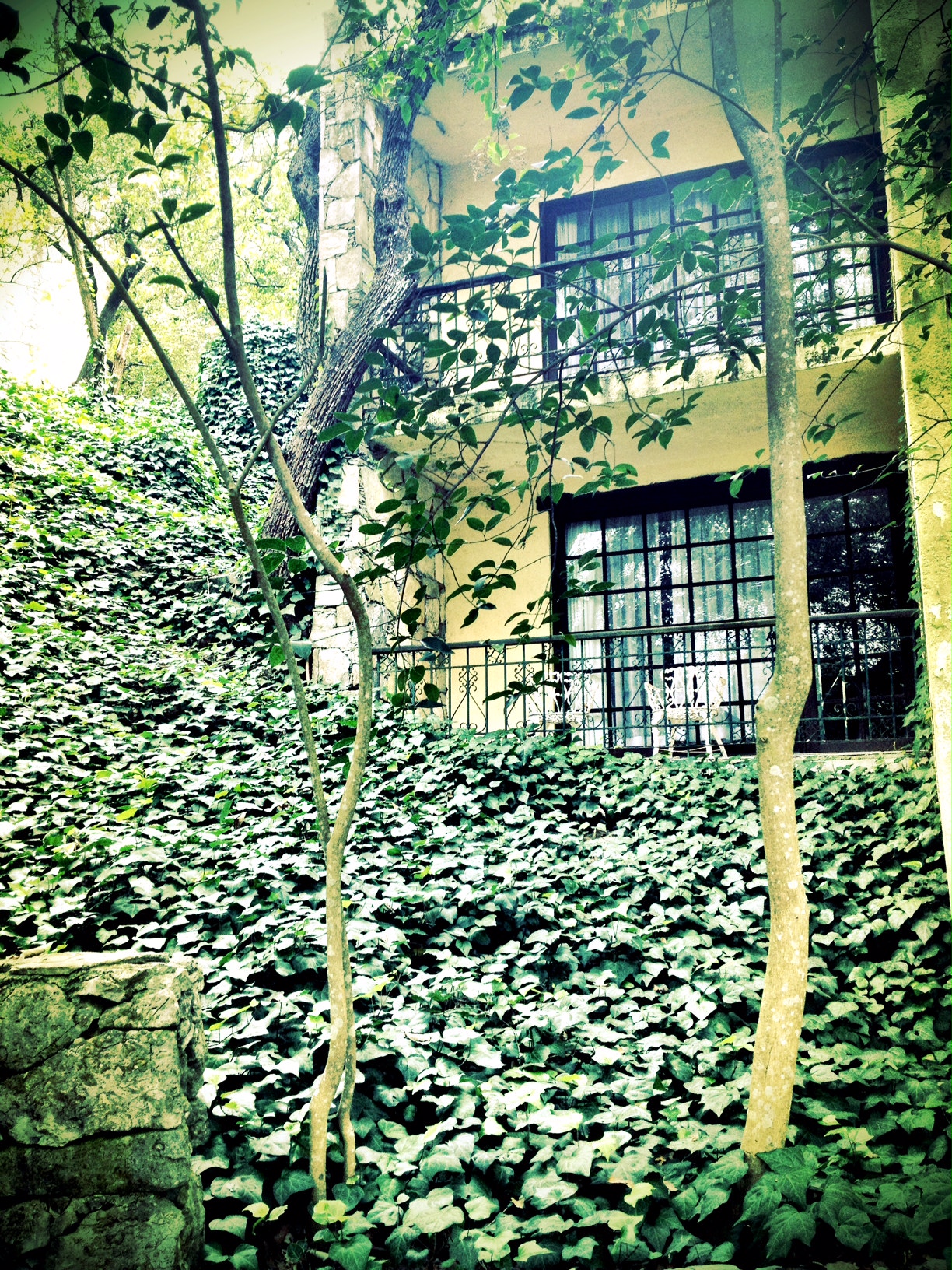
The hotel’s manager is a meditator herself. A Tibetan lama group had held a retreat there once, and she had joined it. She loved the idea of people practising in her resort, and believed it would bring peace and good fortune to the hotel. She even contacted journalists to interview and report on us.
The participants were successful people: business owners, doctors and students, many of whom had meditated before. Over three days and seven sessions, they told us the first sessions were hard, with pain, stiffness and a restless mind, and that it got easier the longer they sat. Experiences included feeling light, disappearing, floating or flying, dropping into the center, seeing a bright light or a crystal sphere, the sun in the middle of the stomach, or seeing themselves become a sphere. What pleased everyone most was that, with eyes closed, the mind could settle at the center of the body quickly and easily. With the Dhamma on building habits through the five universal virtues (cleanliness, orderliness, politeness, punctuality and a still mind), many said they felt they had gained a new life.
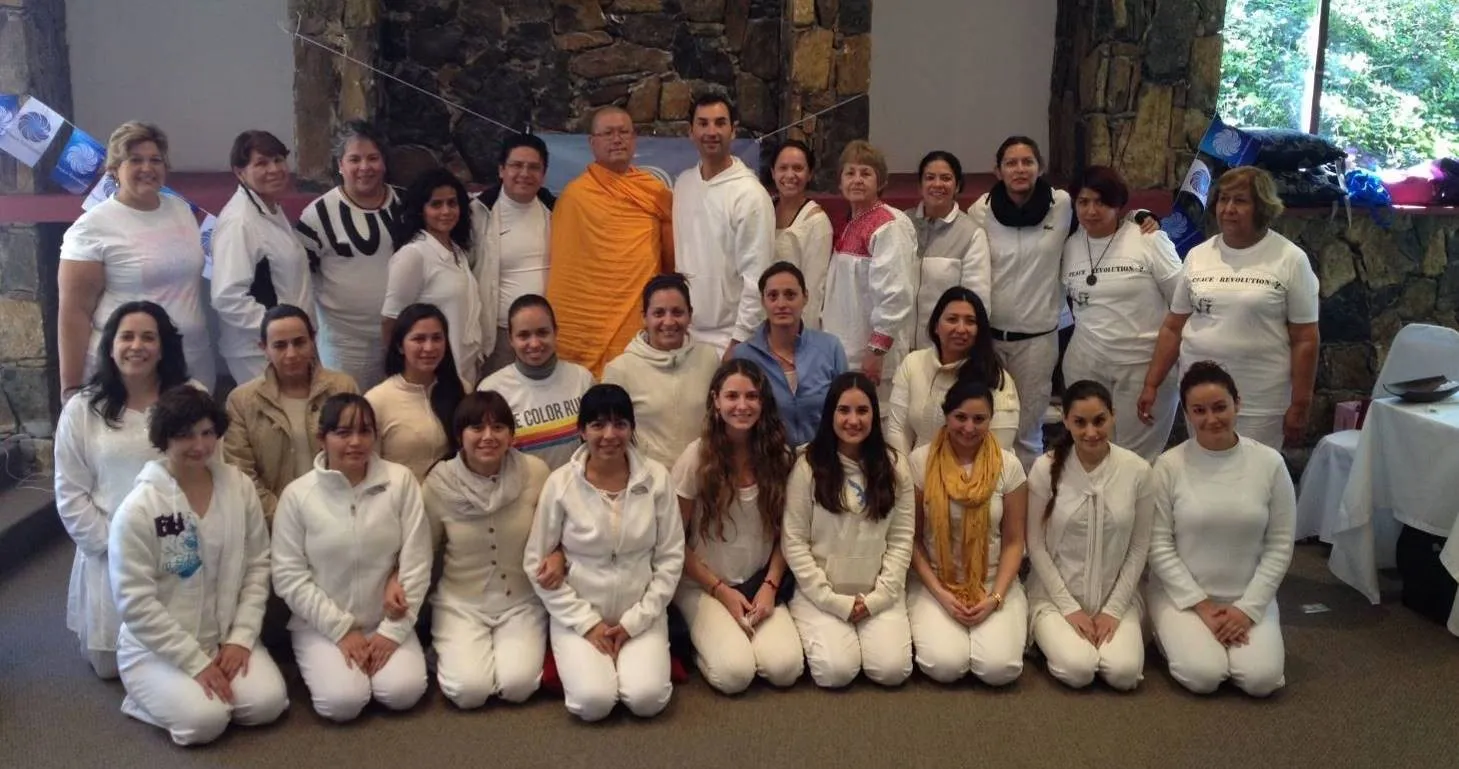
After just six days we had welcomed more than 560 people. I was pleasantly surprised that Mexican universities are more open than those in many other countries. Credit goes to the Peace Agents, who did their homework, and to the administrators who saw how useful meditation is for their students. The universities hosted our meals, lodging and some of our transport.
In Monterrey, Marcela, Carmen and Cintly handed the baton to the next three women, Ilse, Lorena and Ericka, who turned out to have a new and interesting way of working in Puebla.
Retreat schedule
Day 1
| Time | Activity |
|---|---|
| 19:00 | Session 1: Orientation, Meditation 101, the Kalama Sutta, and some of the Ten Homework |
Day 2
| Time | Activity |
|---|---|
| 06:00–07:00 | Session 2: Loving-Kindness Meditation |
| 07:00–08:00 | Yoga |
| 09:00 | Personal time |
| 10:00–11:30 | Session 3: Sabai Feeling, plus recommended eating and drinking habits |
| 14:00–15:00 | Session 4: Being One with Nature |
| 15:00–16:00 | Meditation Clinic: Q&A with the monk |
| 16:00 | Yoga |
| 19:00–21:00 | Session 5: Enhancing Your Inner Capabilities and the Hidden Truth of Yourself |
Day 3
| Time | Activity |
|---|---|
| 06:00 | Session 6: Loving-Kindness Meditation (Share Your Love) |
| 07:00 | Yoga |
| 10:00–12:00 | Session 7: The Art of Inner Peace, the Noble Eightfold Path, the Five Rooms That Influence Habits, and recording your best meditation experience |
Puebla
Puebla is known as one of the most devout cities in Mexico. There are more than 300 churches in the center, and every street seems to have at least one. It is also a city of students, with high-quality universities and beautiful old architecture that draws young people from all over the country.
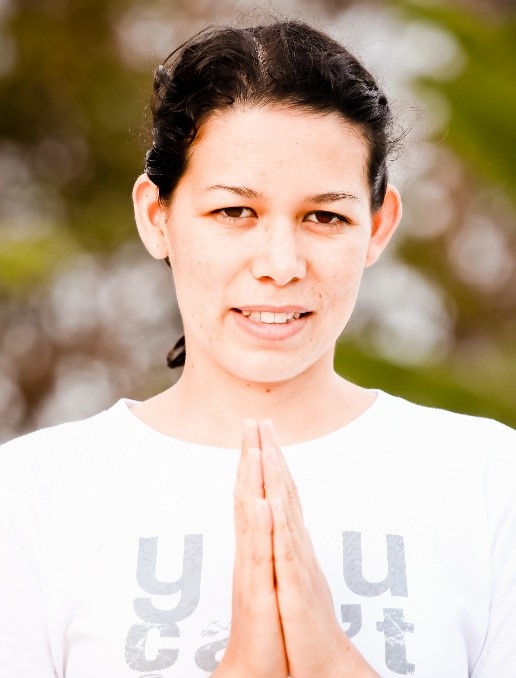
The new local team was Ilse, Lorena and Ericka. Ilse became a Peace Agent in December 2011 and a Peace Architect, a trained meditation assistant, in December 2012, and she now works full time for Peace Revolution as a Peace Coach. Lorena completed the training in January 2013, and Ericka trained in the first Latin American group, in Peru.

Simón Bolívar School
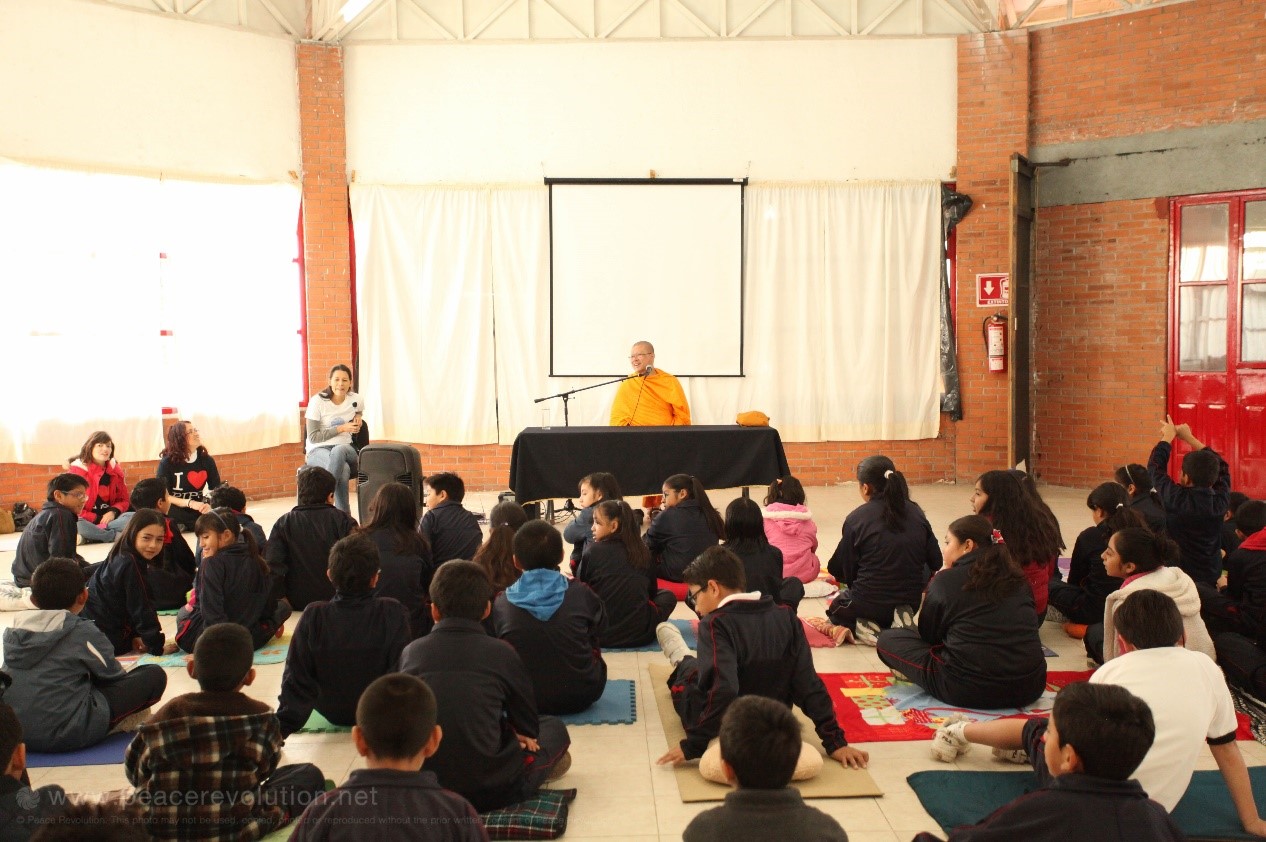
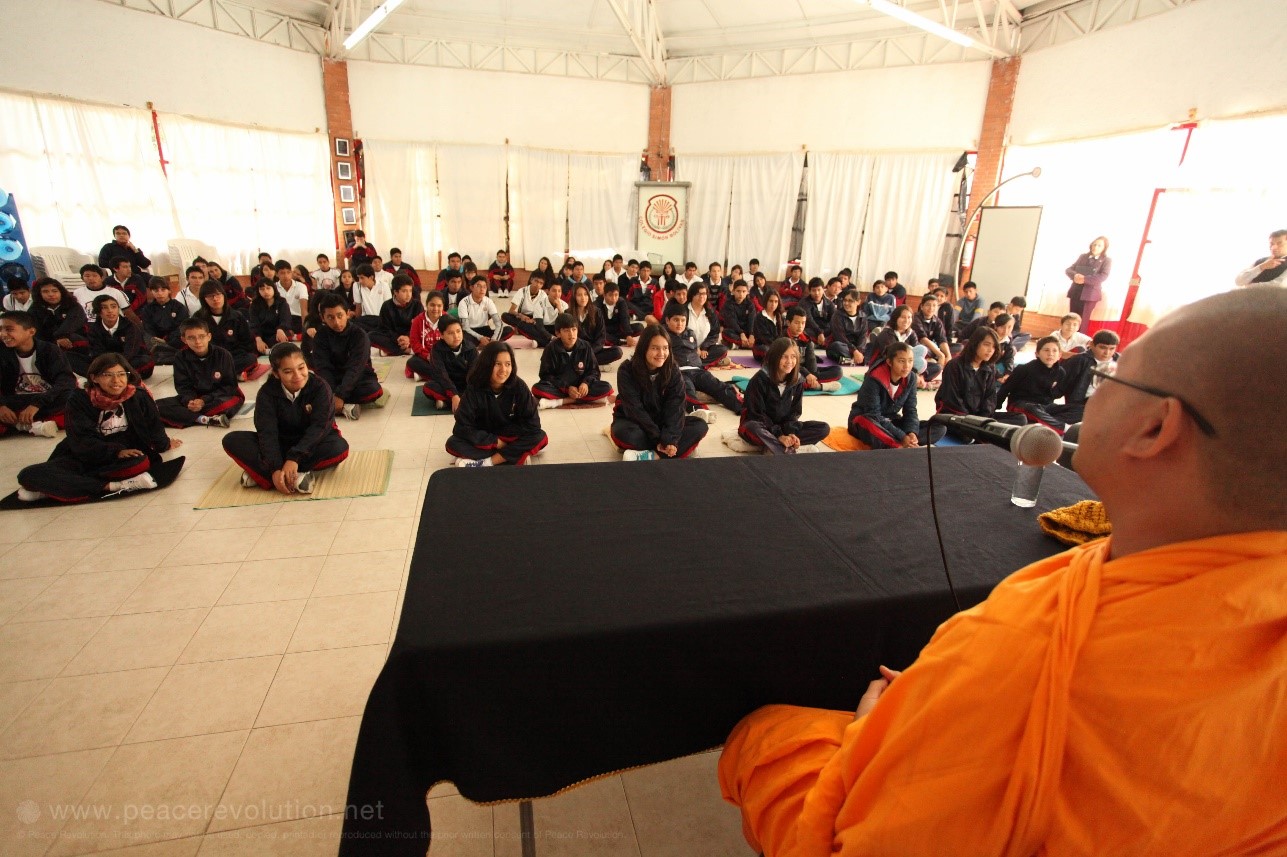
The first mission was at Simón Bolívar School, where Ericka’s two sons study. She knew the principal already liked meditation, and had previously invited other teachers, such as The Art of Living, to teach the children. The three women proposed three sessions, one for primary students, one for middle school and one for the teachers, plus two follow-up online sessions for the children and teachers. The principal was generous enough to support the project.
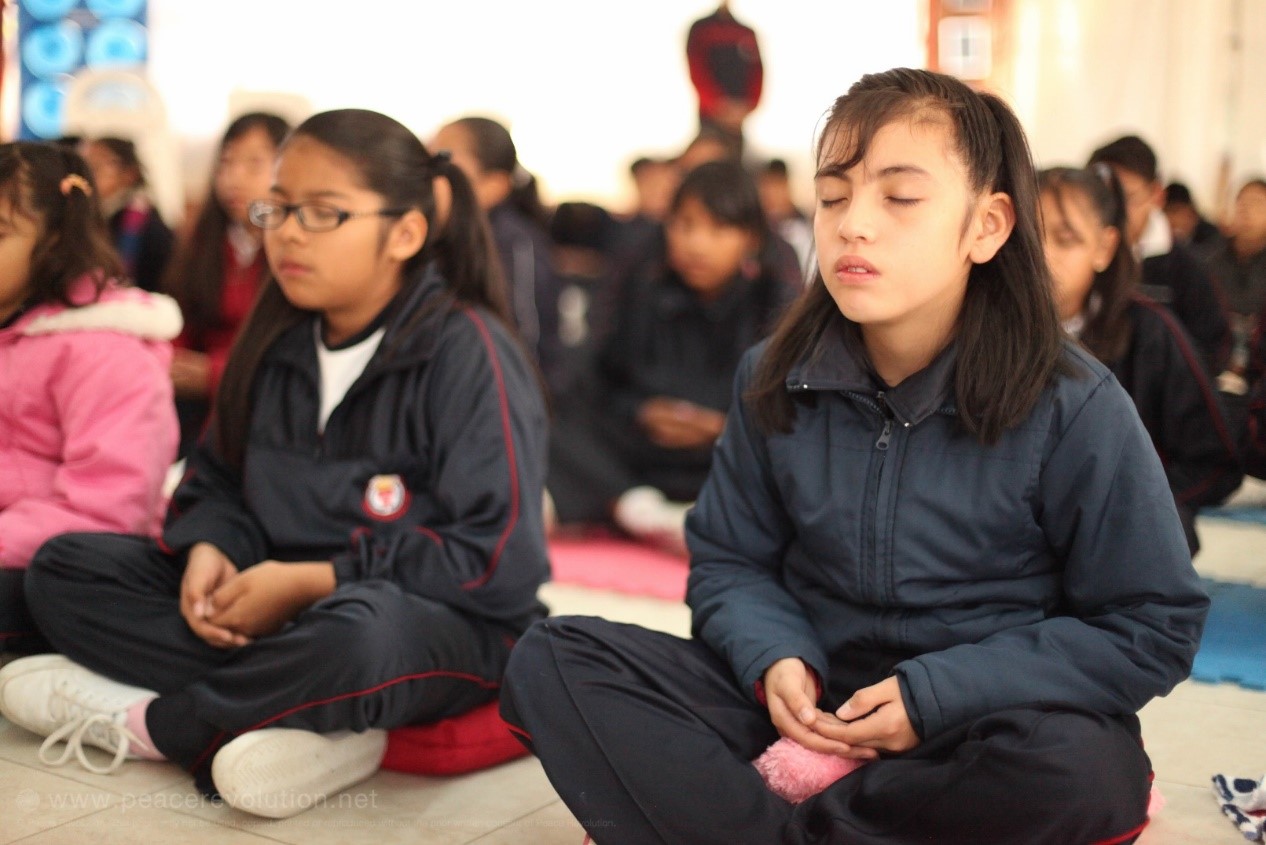
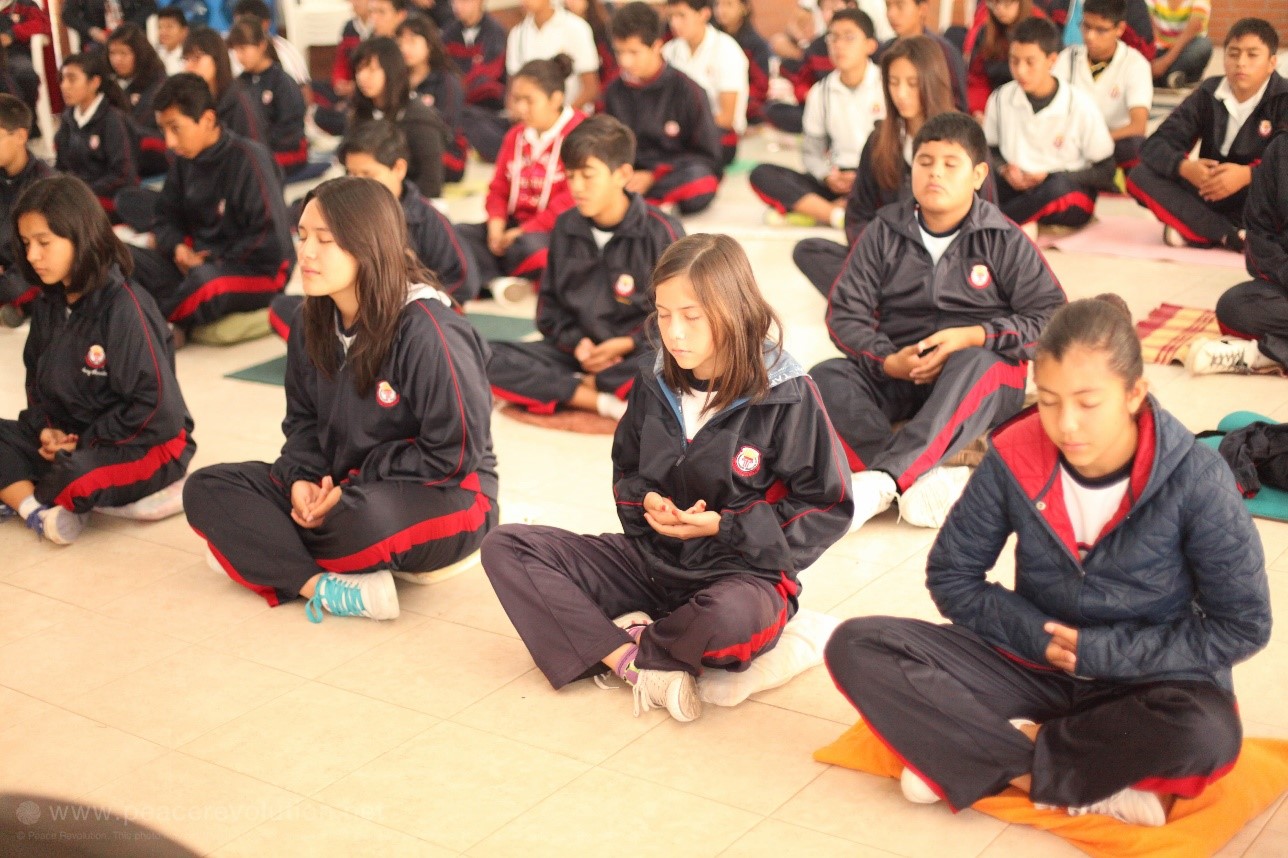
The children sat very well in both sessions, for 20 minutes the first time and 30 the second. They said they felt very relaxed, some looked like they were floating, and some felt light in their stomachs and easily pictured a bright sun. On the outside the children looked fidgety, but inside they were surprisingly still. The older students were similar, sitting more still, and groaned louder when they finished, probably because their legs ached. More than half could picture a bright sun, which visibly surprised their teachers.
A girl told us, “I feel happy, but it’s not like winning a competition. It’s like I’m sleeping but awake at the same time. My body slowly disappeared into the air, and my headache went away completely.” A boy said, “I don’t really believe in meditation. But my teacher told me we cannot touch the monk, unlike in our culture, so I wanted to see who a monk is. I felt like I was alone in the room and couldn’t control my body. I was a little scared, but it was strange and wonderful. When the monk told us to open our eyes, I couldn’t. It took time to come back to the room.”
The teachers
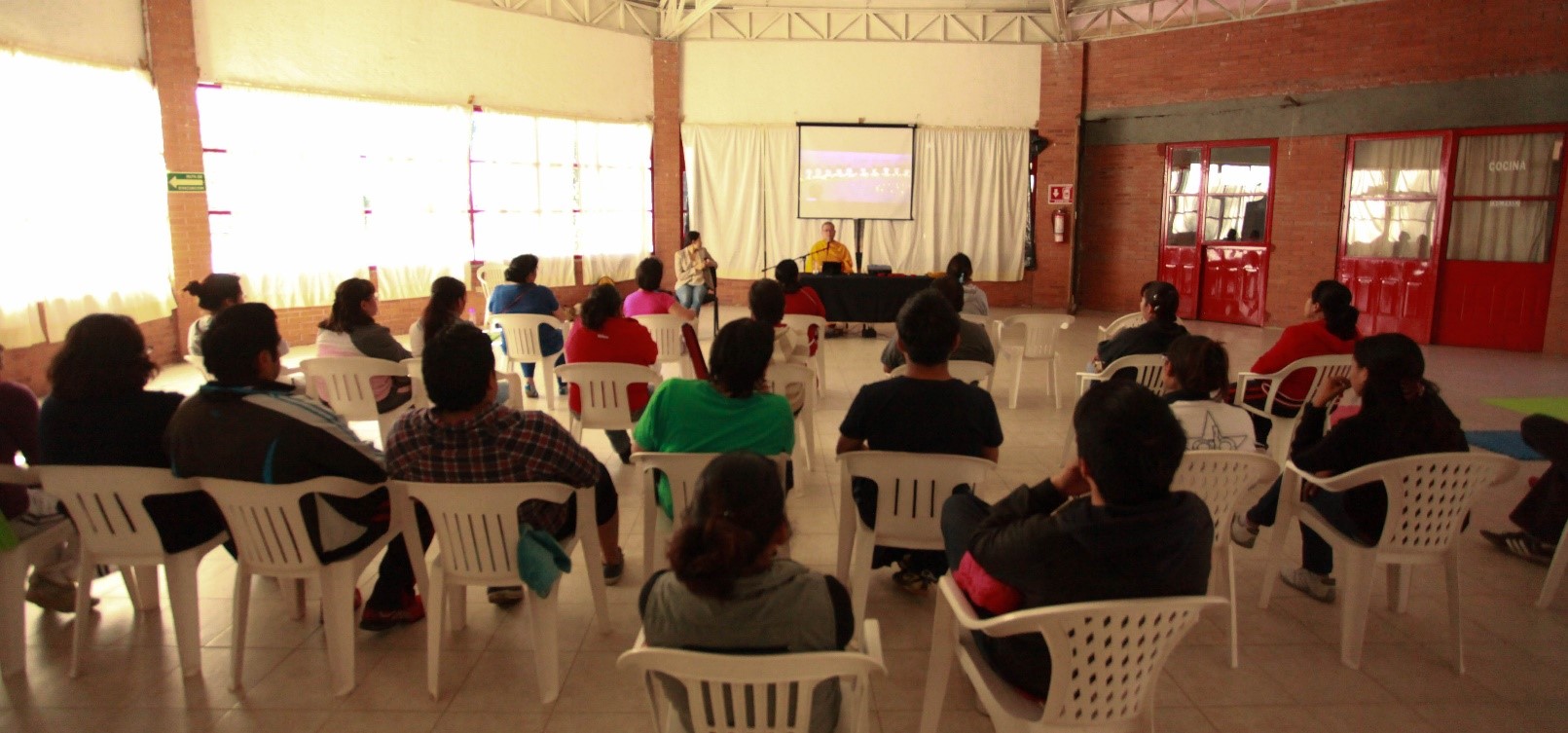
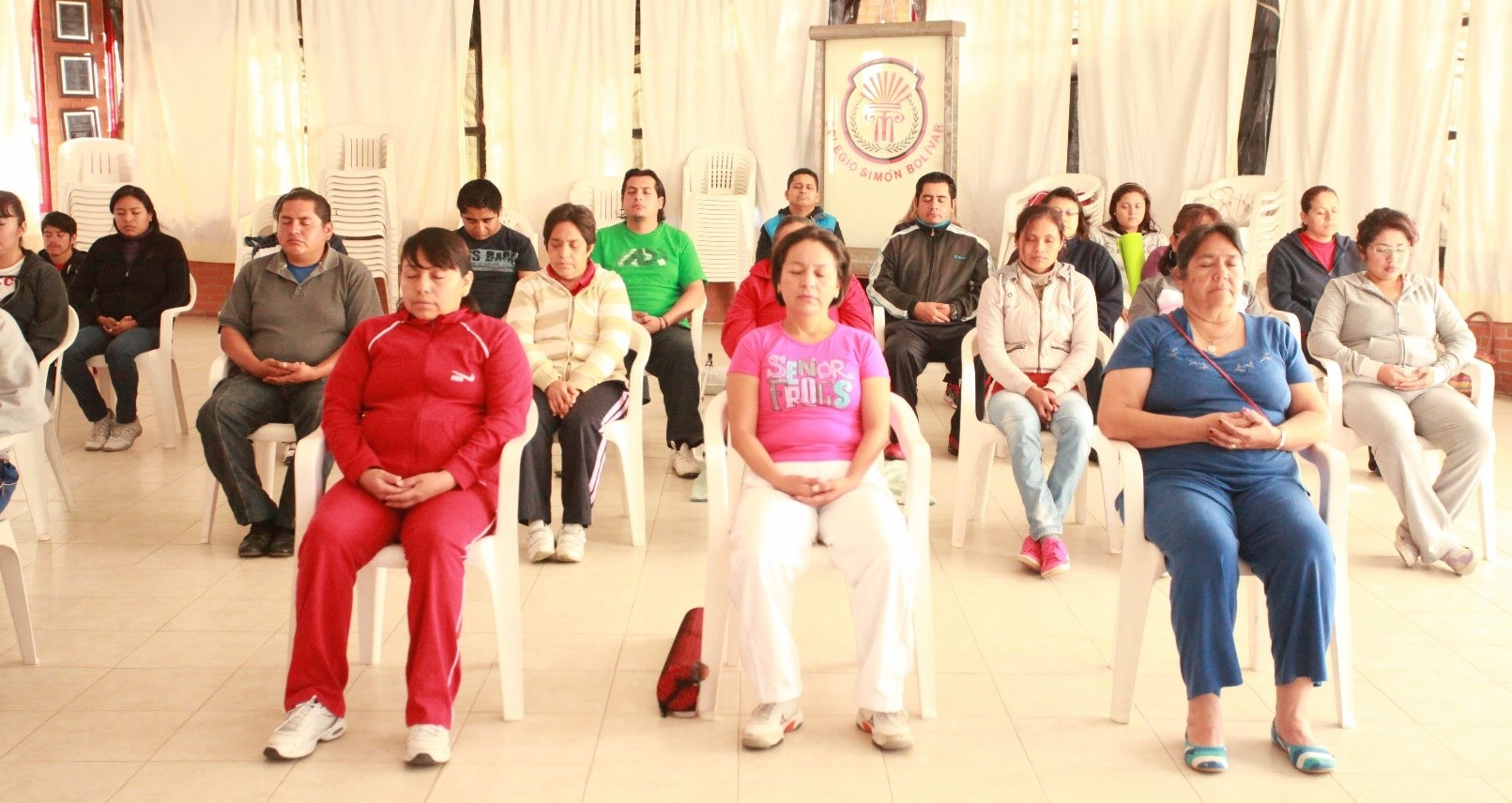
When we returned for the session with 40 teachers and staff, some looked like they had been sent. They seemed cold and not very responsive to my jokes and questions. Afterwards they admitted that teachers who had sat with the children said the experience was very good, so they wanted to find out for themselves. When I asked who was relaxed, almost everyone raised a hand, and nearly all could picture a bright sun. A few said it was as clear as seeing with their eyes, and many saw a very bright light with energy.
They were interested in using meditation at home as parents. As I asked questions, I found that some teachers took the emotions of more than 70 children home and unloaded them on their own kids, which hurt those relationships. I advised them to keep their minds in their own hands, release the day’s feelings, and not take the school’s stress out on their children. If mother and child meditate together, it can keep the family in harmony.
Because the school supported the team’s costs, Ilse will record her own guided meditation in Spanish for the children to listen to every morning, and will come back to lead at least two more sessions for the children and teachers. A model that works for everyone: the school, Peace Revolution and Ilse.
Universidad Iberoamericana
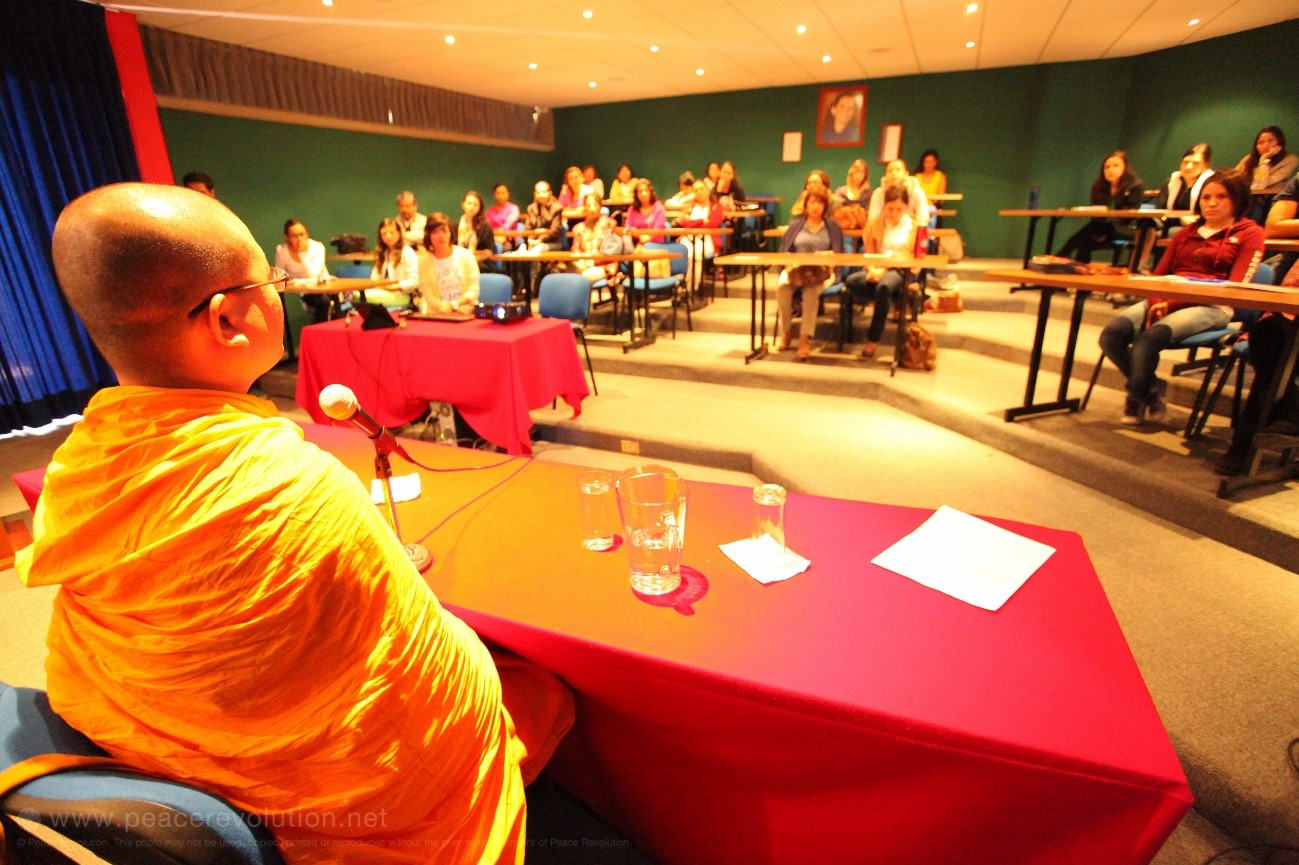
The Universidad Iberoamericana is a Christian university founded by the Jesuits. In 2011 Reader’s Digest ranked it fourth in Mexico. We were able to teach there because of José, a Peace Rebel and undergraduate student. After starting an online journal of good deeds, he wanted to share more good things with his friends.
While I was in Peru, José arranged online meditation with me for his classmates, with the course instructor listening in. The response was good, and many said they would come when I reached Mexico. For his final project, he chose to build a Spanish guide to the Peace Revolution practice on the website, so that people without internet access could still go through the self-training program.
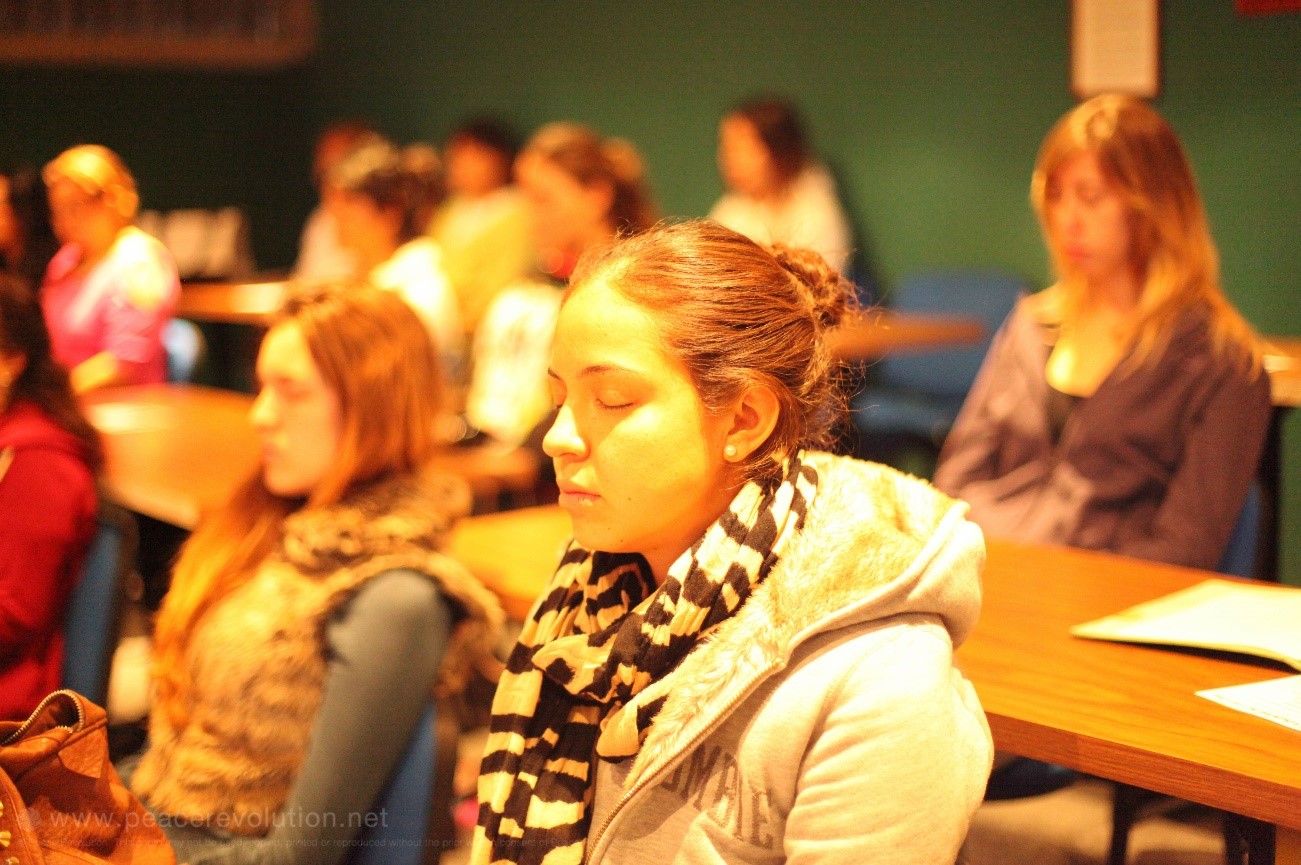
Nearly the whole room had a good experience, and it was hard to know who to interview. One student invited her mother. The mother said she followed my voice, thinking of nothing but the mantra, and after a while she saw many colored lights, very bright. Then her sense of her body slowly faded while her awareness grew clearer. Soon she no longer felt she was in the room. She felt very light, rising into the air, and so relaxed she could hardly open her eyes.
San Ángel School
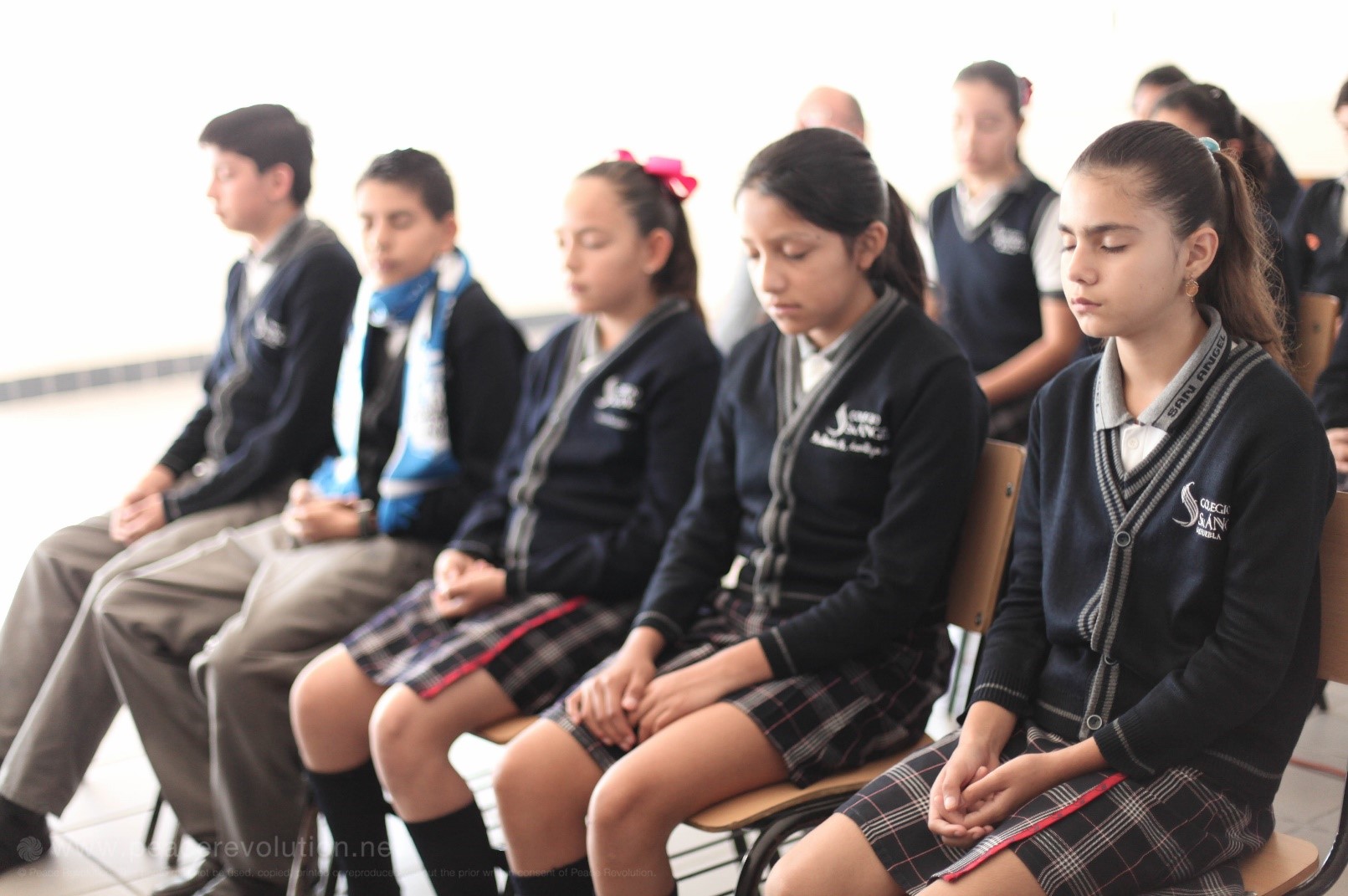
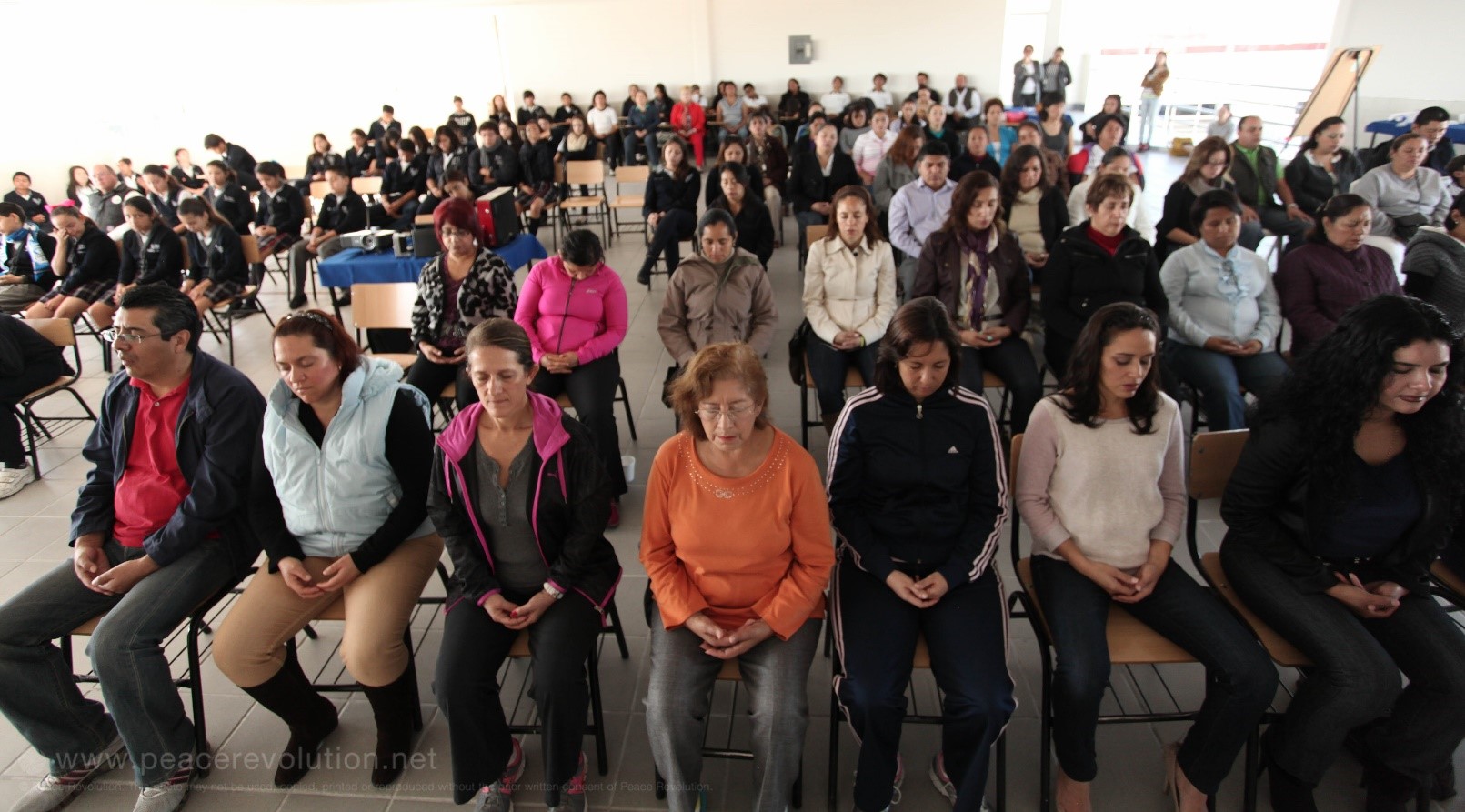
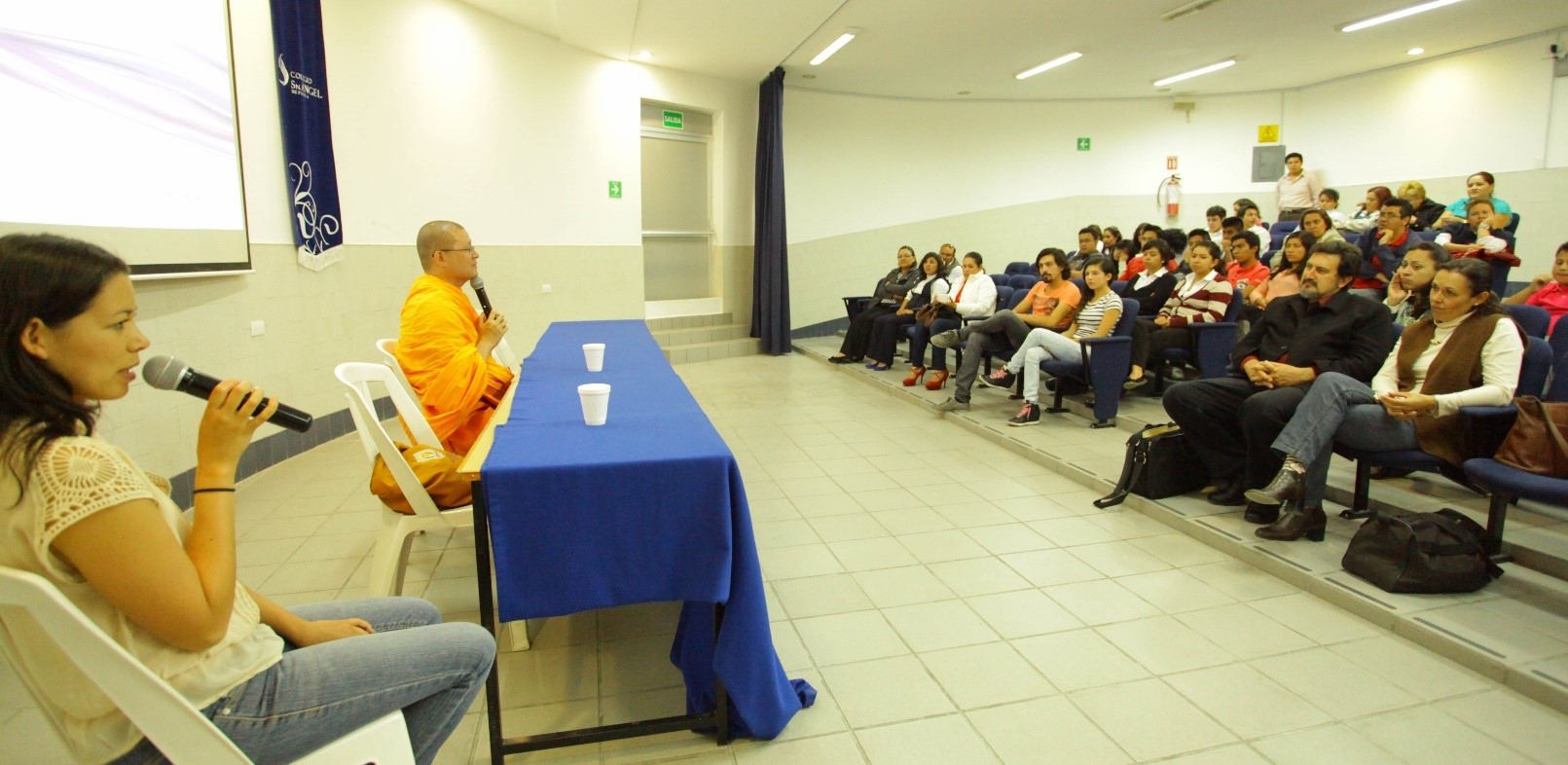
San Ángel is the school of the mother of Mariam, a second-year university student and Peace Rebel, and a friend of Ilse’s. Mariam already practised on the Peace Revolution website and was so enthusiastic that she wanted to bring a session to the school. We held two sessions, morning and evening. One hundred people came in the morning and 45 in the evening, a mix of small children, older students, teachers and parents.
I was torn about how long to lead the meditation. If I focused on the children, parents and teachers would not get the full benefit. If I focused on the adults, the children could not sit that long. In the end I led 30 minutes, reading the calm in the room. The primary children, whom I had thought would find it too long, sat through all of it, and nearly all saw a light at the center. Only a few could not sit. More than half of the parents and teachers had good results.
A grandmother said that as she rested her mind she saw many colors, which merged into a very bright white. She found stillness and lost the feeling of her body. Mariam’s mother, the owner of the school, said she felt herself disappear and blend into the surroundings, which was hard to describe, and that even as she spoke to us she could still feel the peace and happiness.
A teacher whispered to me that she was amazed, because some of the older students that day were the most troublesome in the school. (I was surprised too. In Thailand, a school would normally choose its best-behaved students to show off.) Yet they listened and sat with focus, and were calm afterwards. One of them said his father had forced him to come, but once he started he felt so good, so light, like floating in the sky, that he only realised he was in his chair again when it was over.
Afterwards I talked about building good habits in children, and it was a hit with the teachers and parents. Hands went up everywhere. My son is addicted to games. My daughter is stubborn and won’t listen. My child sleeps late, what should I do? I suggested building habits through the universal virtues of cleanliness, orderliness, politeness and punctuality, and practising them in the five rooms of life. The parents and teachers nodded, and said they would try it at home.
Casa Eterna
In Spanish, casa means house, and places that serve as hubs for wellness, such as energy healing, yoga, meditation, alternative sciences and the arts, often take that word as a prefix across the Spanish-speaking world. Casa Eterna is the workplace of Ericka. She began working there after a two-week retreat in Peru. She told me she was inspired by something I teach: what is the use of knowledge if you cannot use it for yourself and others? She talked to her family about using her knowledge of traditional medicine to help sick people. Today, Casa Eterna houses her traditional medicine clinic, a beauty salon, energy healing (hugely popular in Latin America), a language school and a math tutoring center for children.
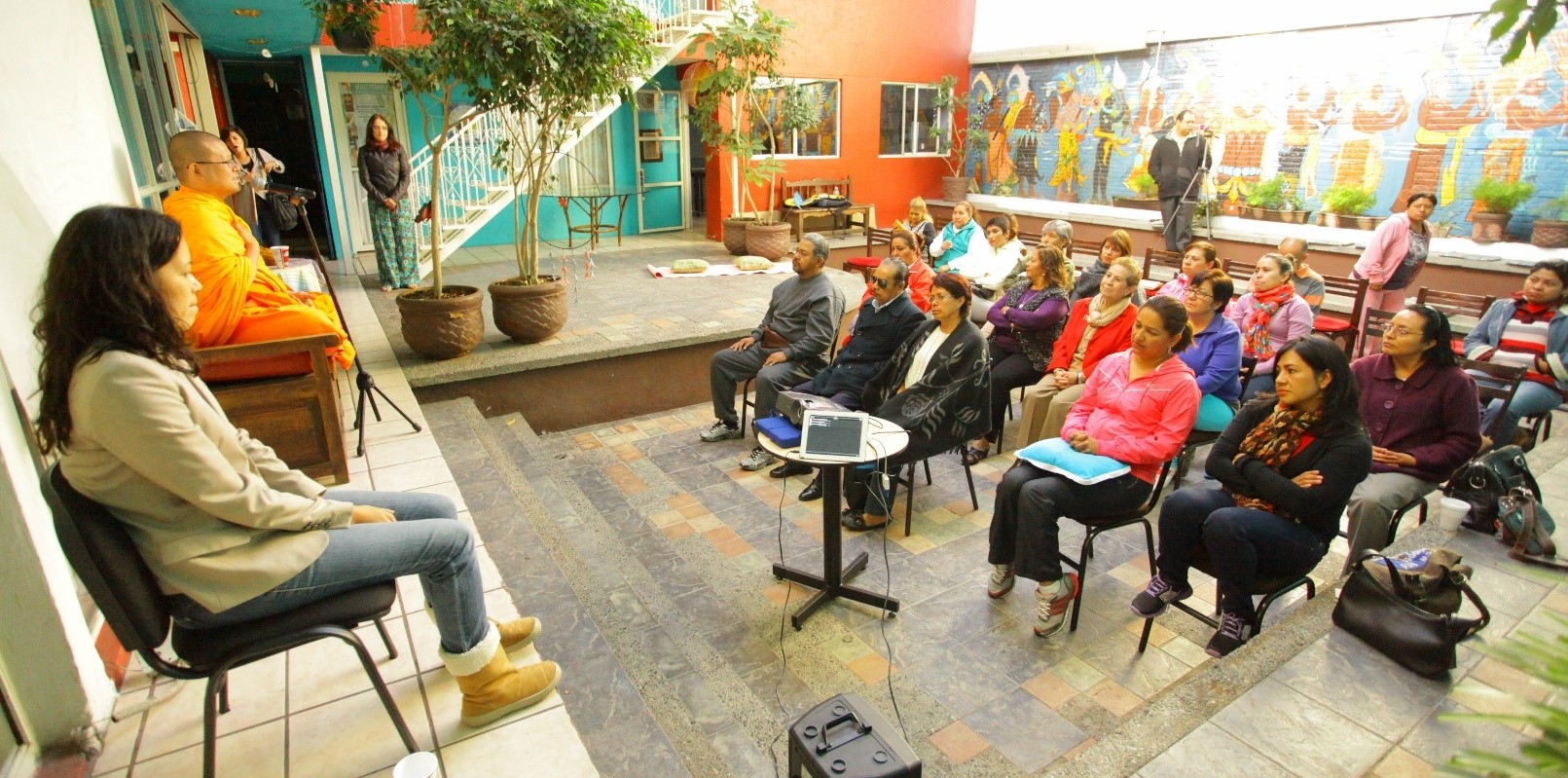
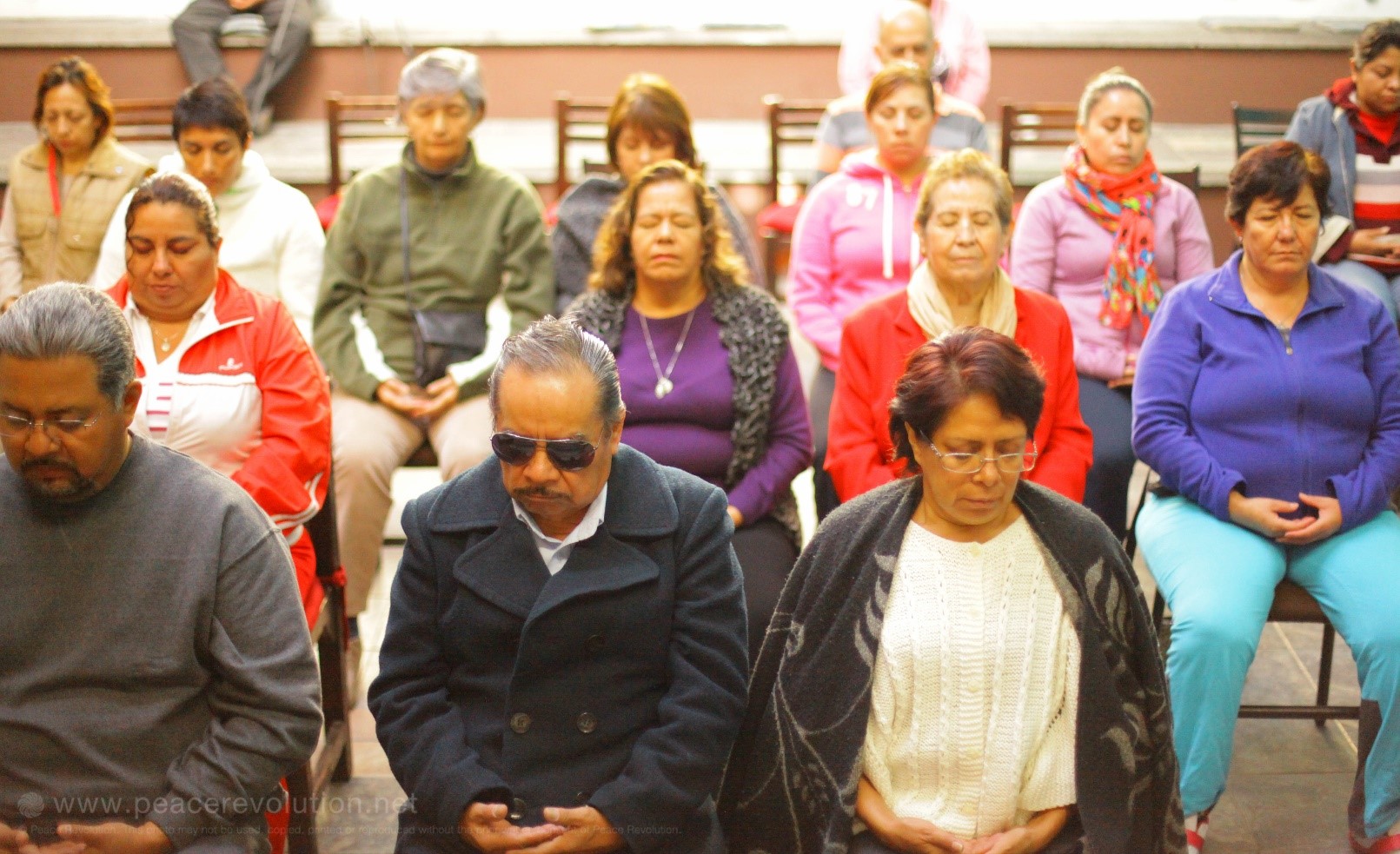
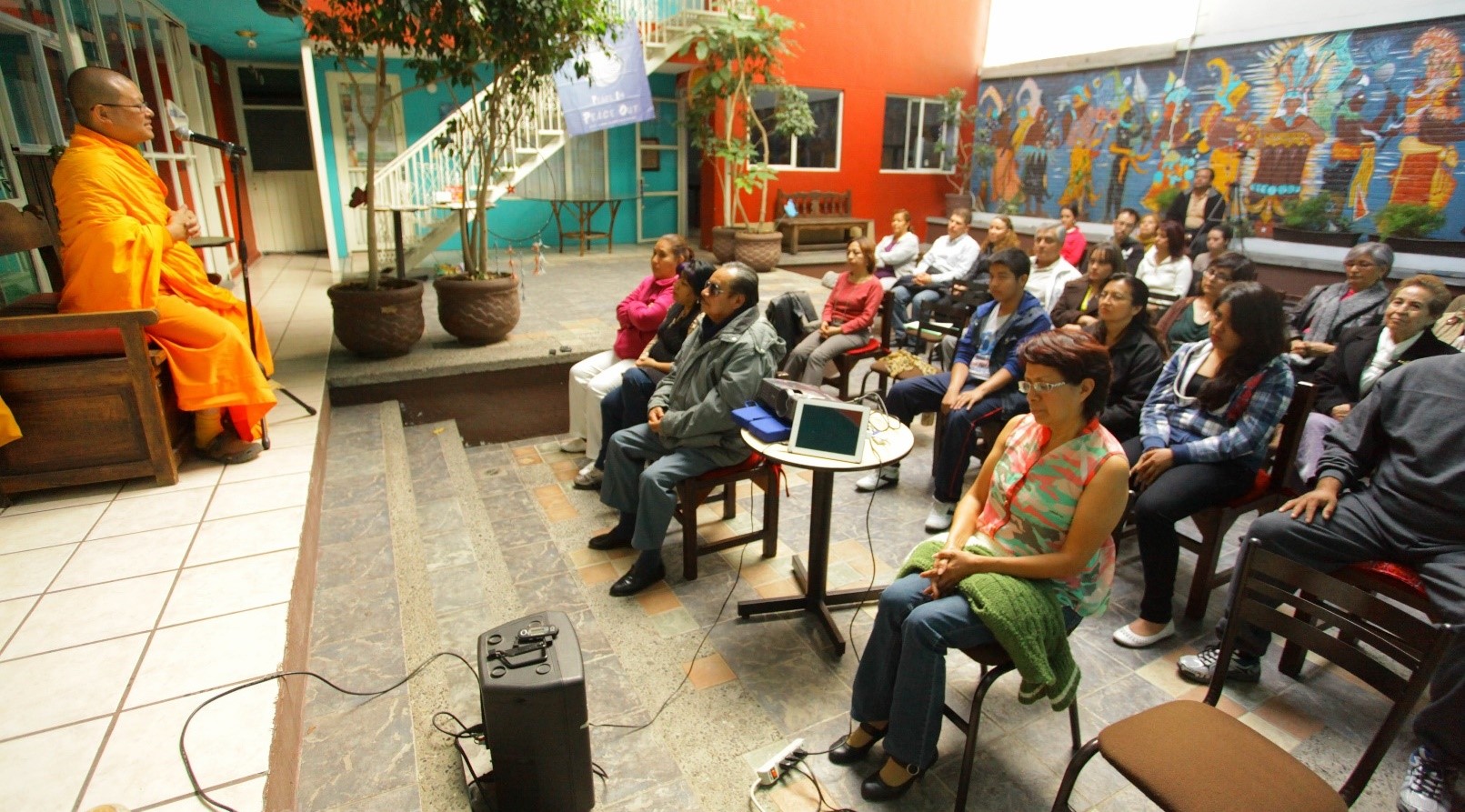
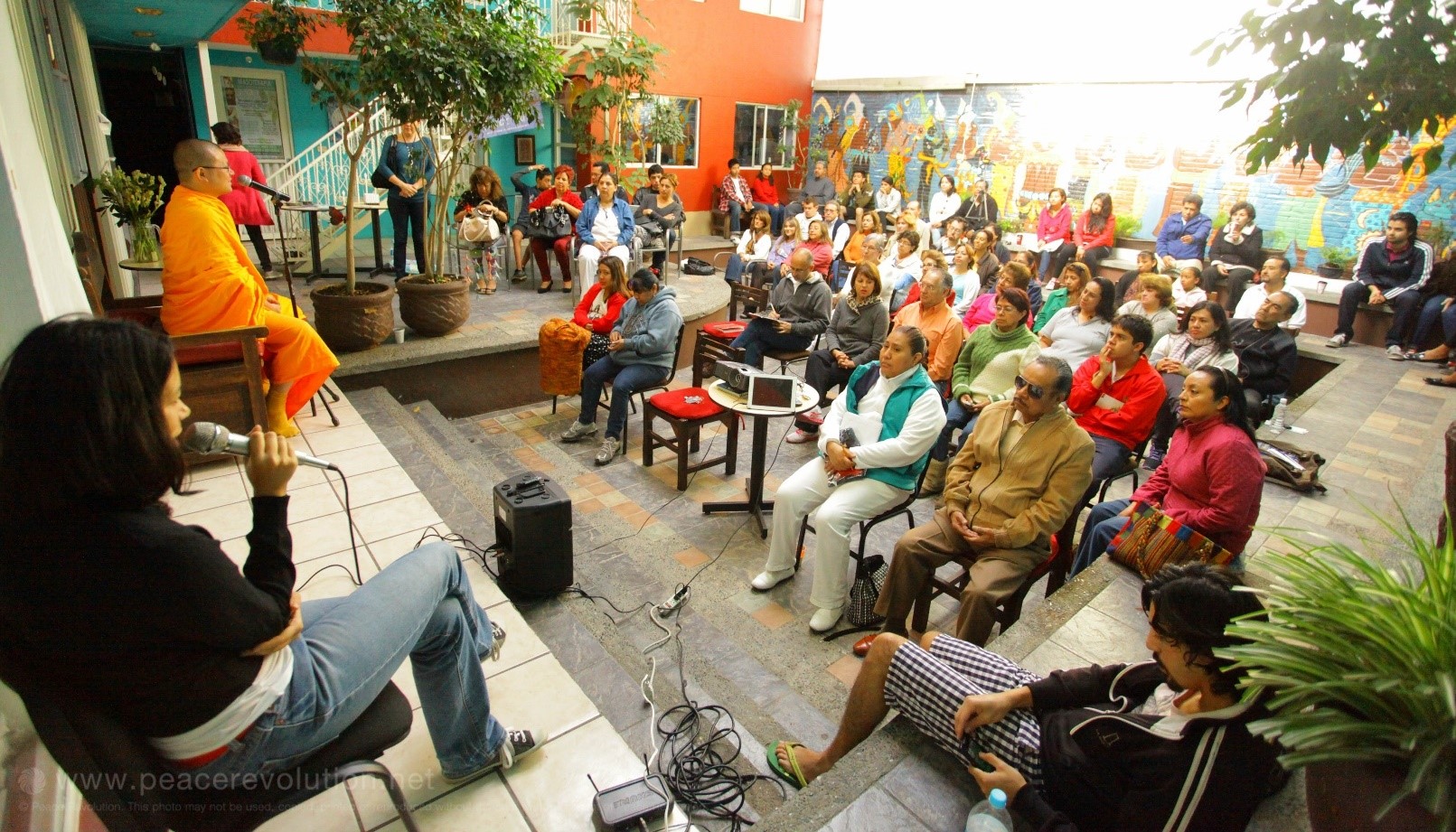
In the middle of the building is an open space for about 40 people, and we planned three sessions there. The first started with people who already visited the center. Thirty people came, and all said they felt relaxed and could picture a bright sun in their stomach. Some said it was very bright, and that they could feel energy radiating from the center of their body. One lady said she first saw many colours, which then merged into a single brightness. Many said they would come to the other sessions and bring their relatives.
The second session, in the evening, drew 40 people. About ten came from the first night, and the new people included friends, parents, children and relatives of the first group, passing the word on after their own good experience. That is one of the advantages of using the same place. But this time we met a challenge. The music was extremely loud. We learned the center is next door to a restaurant-pub playing dance music. I chanted “Samma Arahang” throughout the whole session, to keep everyone’s minds from following the music, and I kept thinking of Luang Pu, asking him to look after the merit.
Afterwards we feared many people had not sat well, but we were wrong. They all said they felt very relaxed. Nearly everyone said 40 minutes felt like 15, half said they saw a bright moon in their stomach, and nobody complained about the music. We were stunned, and bowed in gratitude to Luang Pu for keeping their minds at the center throughout.
The final session was Sunday morning, and we trusted there would be no noise this time. Fifty-five people came. Nearly ten were regulars who had come every time, and others had brought their parents and relatives. Some mothers made their children sit, and some children made their parents and partners sit. More than half could see a bright sun. A few could not sit well, and they were mostly the ones who had been forced to come: the mothers sat beautifully, but the children couldn’t sit at all.
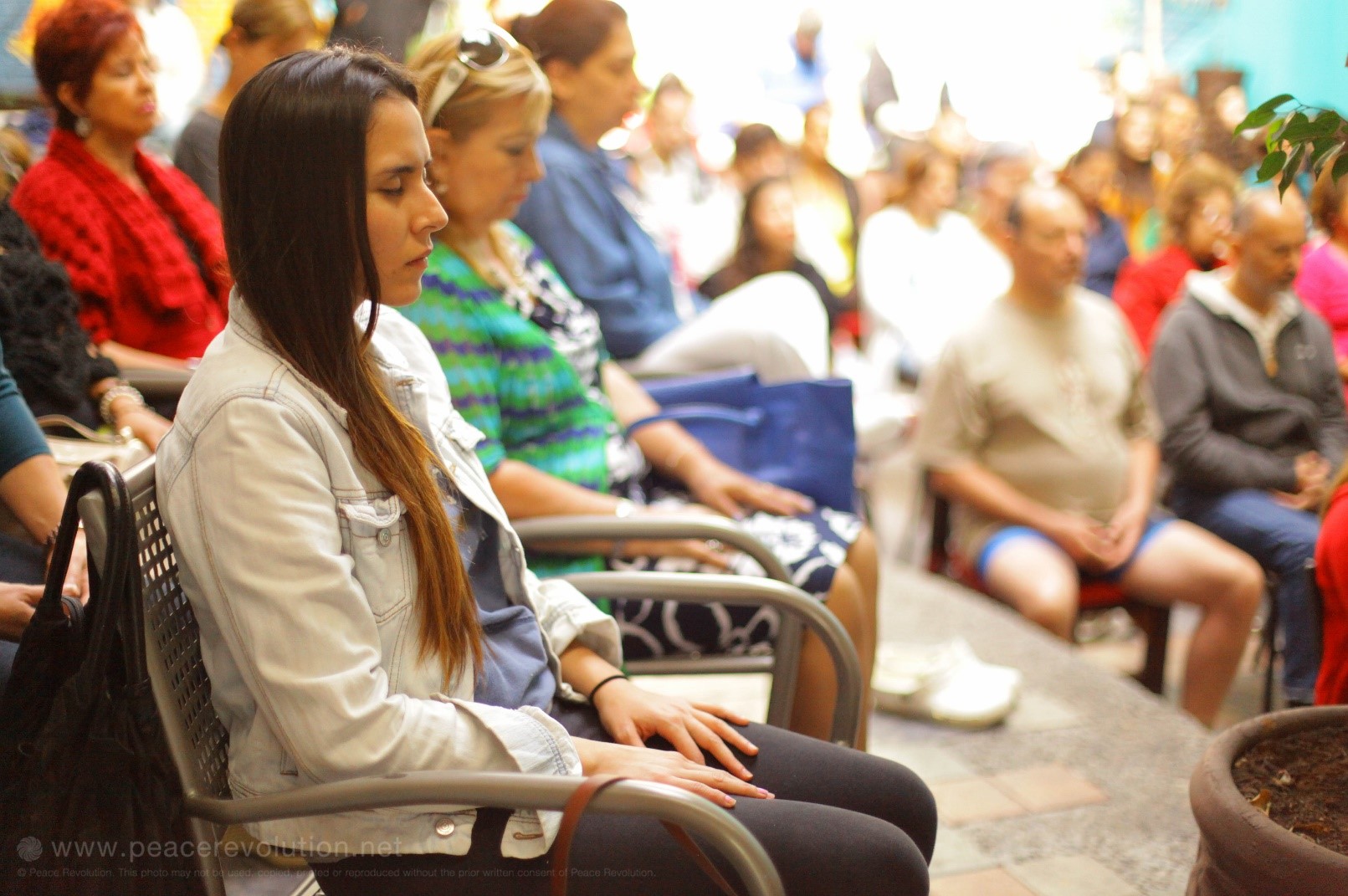
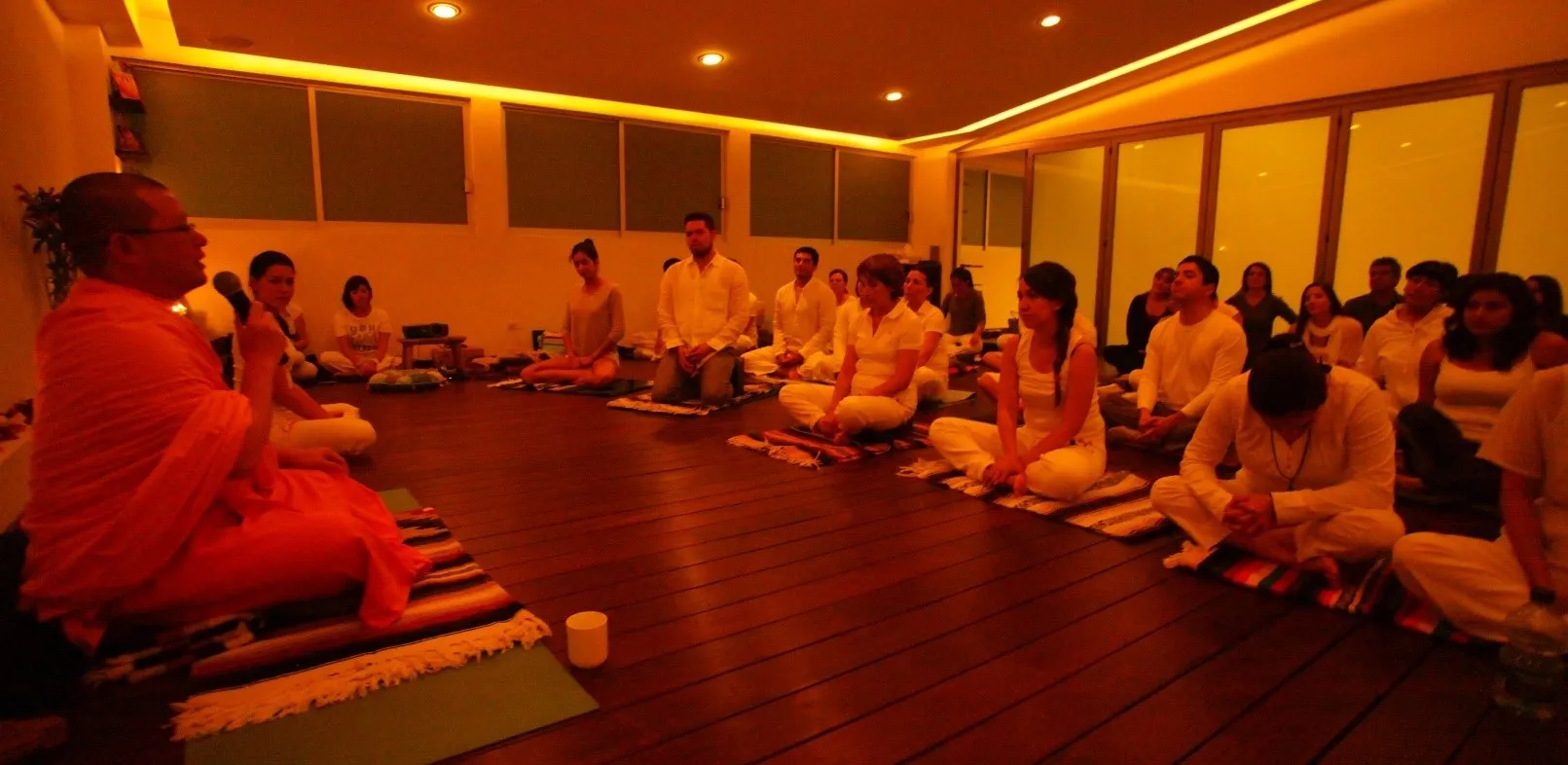
Ganesha Yoga and InYoga
The evening session was at Ganesha Yoga, owned by an American who settled in Mexico. Thirty-three people attended, and five or six had followed us from earlier sessions, including Alonso, Mariam and José, who became regulars at almost every one. Everyone said they felt very relaxed, though some were sore because we sat on the floor. About 80% could picture a bright moon in their stomachs. Six or seven felt their bodies sway, spin in circles or drop to the center, and two or three said they dropped to the center very quickly.
InYoga, another yoga center, hosted a workshop on inner peace through meditation for 30 people.
Puebla sessions
| # | Venue | Topic | Attendees |
|---|---|---|---|
| 1 | Colegio Simón Bolívar | Stress management and depression | 150 |
| 2 | Universidad Iberoamericana Puebla | Concentration techniques for improving school performance | 25 |
| 3 | InYoga | Inner peace through meditation | 30 |
| 4 | Colegio San Ángel (morning) | Stress management and depression | 100 |
| 5 | Colegio San Ángel (afternoon) | Concentration techniques for improving school performance | 45 |
| 6 | Casa Eterna | Introduction to meditation | 35 |
| 7 | Ganesha Yoga | Inner peace through meditation | 33 |
| 8 | Colegio Simón Bolívar (teachers) | Stress management and depression | 40 |
| 9 | Casa Eterna (evening) | Introduction to meditation | 40 |
| 10 | Casa Eterna (morning) | Stress management and depression | 55 |
What stood out
On the last day, as the mission in three cities came to an end, the whole team was amazed by several things.
- Strong turnout without heavy promotion. More than 1,500 people came without the effort we need in many other countries. In some places we advertised and put up signs and still did not fill the room.
- Good meditation results. More than 70% raised a hand to say they saw a bright light or a sun, a higher percentage than anywhere else.
- Friendly people. The airport security staff were the only ones we met who smiled and greeted us warmly. In other airports they scowl as if we were criminals.
- Open institutions. It was much easier to reach schools and universities than in other countries, and easy to get the press to cover meditation and actually publish it.
- A growing economy. Many cities are doing well, and Monterrey is among the most stable economies in Latin America. The cost of living is higher than in Thailand, but not as extreme as in Chile.
- A stable political system. Corruption is higher than in many countries, but democracy is fairly stable, and Mexicans are proud of their country.
- Great universities. UNAM in Mexico City ranks alongside São Paulo and Chile, and is among the first choices for students from Latin America who want to study further.
- Strong local teams. Every city had at least three Peace Agents to look after me, and some had Peace Rebels too. Those Peace Rebels have since joined the December retreat in Thailand, so Puebla now has six excellent Peace Agents.
- A culture open to the spiritual. The Mayan heritage keeps people interested in spirituality, which makes sharing meditation, and Buddhism, easier than elsewhere.
The team
I could not have done this alone. These volunteers organised the venues, translated and supported the sessions. Marcela, Carmen and Cintly grew up in Saltillo and prepared for three to four months before I arrived. Ilse, Lorena and Ericka hosted me in Puebla.
- Lee Torres: A Peruvian volunteer with a journalism background, who photographed, filmed and interviewed participants throughout the trip. He came partly because a Peruvian passport made the visas easier.
- Marcela Mata: Cultural promoter, dancer and poet. She joined Peace Revolution in 2012 and is now a Peace Agent. She drove us everywhere and translated until her voice gave out.
- Cintly del Bosque: Spanish teacher. She was part of the first group of Latin American youth to train in Peru in 2013.
- Carmen Avila: Poet and storyteller, working in human rights. She took over translating in Monterrey and joined Peace Revolution in 2012.
- Ilse Marel: Blogger and traveler with a background in textile design. She is a Peace Architect who works full time with Peace Revolution as a coach.
- Ericka C. Magadán: Homeopathic doctor and teacher. She trained in Peru and shares meditation with her patients and students.
- Lorena Gutiérrez: Textile designer who joined Peace Revolution in 2013 and made meditation part of her daily life.
Conclusion
I left Mexico with more gratitude than I arrived with. I came with a plan to teach meditation. I left having learned how ready people are to receive it when they are invited warmly and given a simple method.
The numbers are the easiest part to measure: 1,500 participants, three cities, more than twenty sessions and a three-day retreat. They do not capture the girl whose headache disappeared, the mother who floated up in a Puebla auditorium, or the university director who wanted a meditation club on her campus. Many people told me the same thing in different words: they had found stillness inside themselves, and it was easier than they had imagined.
The most lasting result is not what I taught but what stays behind. Each city now has a group of Peace Agents who know how to open the doors of their schools and universities. Ilse is recording guided meditations in Spanish for the children at Simón Bolívar School and will return to lead more sessions. TEC Milenio’s Institute of Science of Happiness asked how to start a meditation club on campus. In the places we visited, Peace Revolution is now a local community and no longer just a visitor.
To Marcela, Carmen, Cintly, Ilse, Lorena, Ericka and Lee, and to every host, teacher and student who gave us their time: thank you. You opened your homes, your schools and your minds to a stranger in an orange robe, and you asked for nothing but a few quiet minutes. Mexico showed me that peace does not need a special place or language. It needs people willing to sit still together, and I met many of them. I carry your kindness with me, and I hope the stillness you found stays with you. I would love to return one day, and to see how far it has grown.
P.S. This was the last time I was in Mexico. I have not returned since.